

Did you know that some of the land that we call London today was once called Londinium? As was once said, ‘All roads lead to Rome‘, but in this guide we show you that London has created its own path. London, a sprawling metropolis rich in history, culture, and modern attractions, is one of the world’s most visited and diverse cities. As the capital of England, it offers a blend of experiences for travelers, from iconic landmarks like the Tower of London and Buckingham Palace to vibrant neighborhoods filled with unique shops and eateries. Whether you’re planning a weekend getaway or an extended stay, this guide aims to provide a comprehensive overview of the best things to do in London; what to see, where to stay, and how to navigate this fascinating city. Let’s embark on this journey through the heart of London together!
| Best Time to Visit | Suggested Duration | Transport | Must-Eat Dish |
|---|---|---|---|
| March to May & September to October | 4–5 Days | Tube / Walking | Full English Breakfast, Fish & Chips, Afternoon Tea |
When to Visit London:
Even with the rain and fog, London shines. One of best times to visit London are in spring (March to May) which offers pleasant temperatures and less crowds compared to the peak summer months. Even with the heat of the summer (June to August), London is ideal for outdoor events like the iconic traditions at Wimbledon Championships, the cultural and musical Notting Hill Carnival, and theater enthusiasts might enjoy visiting during the West End LIVE event in June. You should be prepared for not only the heat, but higher prices and more tourists of the summer months. Autumn in London (September to November) is a beautiful time of year with orange and yellow leaves lining the path of Green Park for a walk. The winters of London (December to February) are not the best for weather, but the festive cheer of Christmas markets or The Hyde Park Winter Wonderlandh still make it a great time to visit, just be prepared for shorter days and the rain/snow of the season.
London at a Glance
| Time of Year | Weather | Crowd Level | Best For… |
|---|---|---|---|
| Spring (Mar–May) | Mild & Blooming | Moderate | Sightseeing & Parks |
| Summer (Jun–Aug) | Warm & Sunny | High | Festivals, Wimbledon & Nightlife |
| Autumn (Sept–Oct) | Crisp & Golden | Moderate | Museums, Pubs & Budget Travel |
| Winter (Nov–Feb) | Cold & Misty | Low | Christmas Markets & Indoor Arts |
Navigating ‘the Big Smoke’:
London is best explored through a blend of its iconic transit and purposeful walking. Most of the city’s major landmarks from the South Bank to Covent Garden are clustered along the Thames, walking on foot is the best way to soak in the capital’s unmistakable atmosphere. From trains, buses, boats, and cabs London makes getting around the city both convenient and efficient.
Getting Around
- Public Transportation: Transport for London (TfL) is the city’s lifeline, encompassing the Underground (The Tube), Overground, buses, and the DLR. To save time and money, consider the tap & go standard of using an Oyster card or a contactless payment card for seamless travel to get around. Forget paper tickets. Use a contactless bank card or mobile pay (Apple/Google Pay) for the most efficient method. Both methods feature daily price capping, ensuring you never pay more than the cost of a Day Travelcard.
- The Elizabeth Line: For maximum efficiency, use the high-speed express of the Elizabeth Line (the “Purple Line”) to traverse the city from East to West or to get directly from Heathrow to Central London in record time.
- If you’re feeling active, book one of the Santander Cycles for a ride through the city. London has made significant strides in becoming more bike-friendly, with dedicated lanes and numerous parks to cycle through.
- Ride-Sharing Services: For those who prefer a more direct mode of transport, ride-sharing services like Uber and Bolt are widely available throughout London. They offer a convenient option for travelers, especially during late-night outings or when public transport is less frequent. However, keep in mind that traffic in London can be congested, so plan accordingly.
- Uber Boat by Thames Clippers: If you’re looking for a unique experience, taking an Uber Boat on the Thames is a scenic and practical alternative to The Tube. The service calls at 24 piers across London, from Putney in the west to Barking Riverside in the east, with departures every 10–20 minutes at major piers including Canary Wharf, London Bridge City, Battersea Power Station, and London Eye.
- The “Iconic” Option: For those looking for a classic London experience, hop on the top deck of a Red Double-Decker Bus. It’s one of the cheapest sightseeing tours in the city.
- Beyond London (National Rail): For travel to other parts of the UK, the National Rail network is your gateway. Whether it’s a quick jaunt to Windsor or a high-speed journey to Edinburgh via the LNER, the major hubs (like King’s Cross, Paddington, and Euston) connect you to the rest of the country with ease.
Advisor Note: For a great way to navigate the extensive transit schedule we suggest the City Mapper app to help you plan how to get around London. Make sure you stand to the right on the escalator and ‘Mind the gap’ when waiting at the train platform.
Where to Stay in London:
London isn’t just one city: it’s a collection of distinct villages and districts. Depending on where you drop your bags, you’ll have a completely different experience. The perfect location depends on your interests, budget, and travel style. The central neighborhoods of Covent Garden, South Bank, and Westminster offer the best combination of convenience, attractions, and authentic London atmosphere for most first-time visitors, but the city still has so much more to offer beyond the sights. It’s not just a list of landmarks and monuments, London’s neighborhoods are the heart, character, and charm of the city.
Here is the breakdown of some of the best areas to stay.
Best Neighborhoods to Stay in:
For first‑time visitors, A sensory delight that captures the “classic” London tourist experience with a high-end foodie twist. It is centrally located and within easy walking distance of the National Gallery, Houses of Parliament, and the Royal Opera House. It serves as the perfect “pivot point” for exploring both the city to the east and the shopping districts to the west. The area is largely pedestrianized, allowing you to wander through historic markets and artisan shops without the constant roar of London traffic
Why we love it:
- Premier Dining: Boasts one of the city’s densest and most diverse food scenes.
- Street Performances: The historic square offers daily world-class entertainment.
- Shopping Variety: A mix of global flagship stores and unique Apple Market crafts.
- Pedestrian Friendly: Much of the area is car-free, making it easy to explore on foot.
The beating heart of London’s entertainment district, Soho is ideal for those who want to be steps away from the action of the West End. It is the most centrally located neighborhood and perfect for first-timers who want everything within reach. Perfect for those seeking eclectic nightlife, diverse dining options, and a buzzing creative energy. Staying here means you can skip the late-night Tube queues and enjoy a cocktail in a hidden basement bar before walking back to your room in minutes.
Why we love it:
- Unbeatable Location: Walking distance to theaters, Carnaby Street, and Chinatown
- Home to Liberty, the iconic mock-Tudor department store featured in countless London films
- Dynamic Nightlife: Packed with historic pubs, secret speakeasies, and jazz clubs.
Here you are at the epicenter of London’s alternative soul, with the world-famous Camden Market offering everything from hand-crafted jewelry to global street food. It serves as an excellent base for those who want to be close to the action of the Roundhouse and KOKO, two of the city’s most iconic music venues that have defined British music for decades It’s London’s most spirited and youthful neighborhood, famous for its alternative vibe, eclectic markets, and canal side charm.
Why we love it:
- Iconic Markets: Famous for alternative fashion, crafts, and global street food.
- Music Heritage: The epicenter for live music and legendary rock and indie scene.
- Budget-Friendly: Offers a wider range of affordable hotels.
Westminster is a city unto itself. Staying here places you in the literal seat of British power, where the bells of Big Ben act as your morning alarm. It’s an essential base for first-time visitors who want to tick off every major landmark While it is quieter at night, the sheer majesty of being surrounded by 1,000 years of royal history makes it an unbeatable choice for a first trip.
Why we love it:
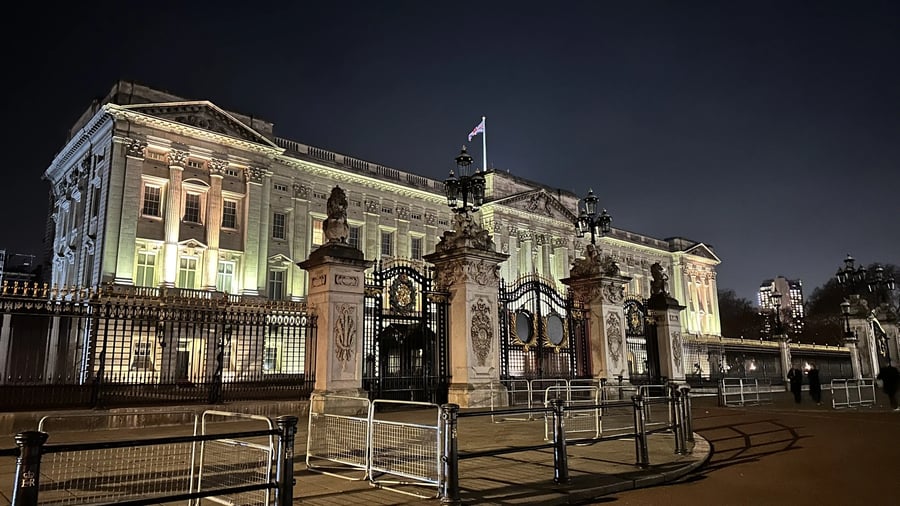
- Sightseeing Epicenter: Steps away from Big Ben, Westminster Abbey, and Buckingham Palace.
- Royal Connection: St James’s Park (one of London’s most beautiful royal park) and the ceremonial Mall are right here.
- Political Pulse: The center of UK government with a grand, historic atmosphere.
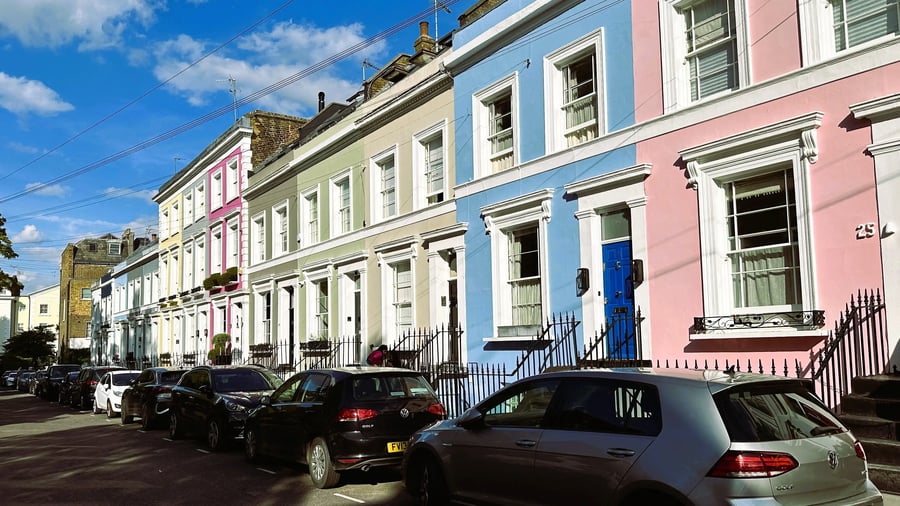
Notting Hill is home to a variety of quaint cafes and restaurants, where visitors can enjoy a meal while soaking in the area’s charming atmosphere. The neighborhood offers a rare blend of upscale living and bohemian history, it’s best experienced through its independent bookshops and colorful mews. It is a haven for those who enjoy long Saturday brunches and the thrill of hunting for rare vinyl or vintage treasures. Notting Hill offers an authentic glimpse into London life.
Why we love it:
- Iconic pastel-painted townhouses (mews) and garden squares
- Portobello Road: One of the world’s most famous antiques and flea markets. Full of vintage fashion and fresh produce
- Village Community: Despite its fame, it maintains a cozy, neighborhood feel.
South Bank is one of London’s most enjoyable and culture‑packed areas, stretching along the south side of the River Thames from Westminster Bridge toward Tower Bridge. Being central and south it’s dense, diverse, and provides a different perspective from across the Thames. It’s known for combining iconic attractions, riverside walking, and cultural institutions with a lively but relaxed atmosphere.
Why we love it:
- Borough Market
- Cool attractions like Tate Modern, London Eye
- Authentic, local feel
Shoreditch is for the “cool” crowd, defined by its grit, creativity, and constant evolution. As east London’s creative powerhouse, Shoreditch draws artists, nightlife lovers, and anyone seeking an edgier, more independent side of the city. Vintage shopping and thrifting on Brick Lane adds to its independent scene while the neighborhood continues to evolve with trendy restaurants, cafes, and bars. The Shoreditch area is an interesting mix of creatives, young professionals, hipsters. It’s an urban landscape full of old and new. It’s perfect for those who prefer craft beer, coffee shops and indie boutiques over big-name brands and traditional hotels. shops
Why we love it:
- Excellent transport connections
- Street Art
- Convenient for short stays
Kensington is one of London’s most elegant neighborhoods, known for its grand architecture, world‑class museums, and refined atmosphere. Located in West London, it offers upscale shopping, famous antique streets, and easy access to beautiful green spaces. With its blend of Victorian charm and modern luxury, Kensington is ideal for travelers who enjoy culture, fine dining, afternoon tea, and leisurely strolls over nightlife and edgy scenes.
Why we love it:
- World-Class Museums: Home to the “Albertopolis” cluster, including the Victoria and Albert Museum, the Natural History Museum, and the Science Museum.
- Royal Heritage and Green Space: Access to the historic Kensington Palace and the expansive, beautifully maintained Kensington Gardens.
- Premier Connectivity: Excellent transport links via the District, Circle, and Piccadilly lines, making it a convenient base for exploring Central London.
London is a true cosmopolitan city, and these neighborhoods are only a glimpse of the unique character of each. It is a treasure trove of culture, history, and community. The city has a pace, a space, and a place for everyone.
Top Things to Do in London
To be or not to be, that is the question. The answer for is there anything to do in London is, yes. For first-time visitors, the city is a museum of monuments and moments. Take in the Tower of London and the Crown Jewels, marvel at Westminster Abbey’s centuries of royal history, admire the masterworks of the National Gallery, and enjoy panoramic views from the London Eye. The balance the iconic with the intimate — a pint in a centuries-old pub, a wander through Borough Market, or a riverside stroll at golden hour. In London, the magic is just as much about the moments between the landmarks as the landmarks themselves.
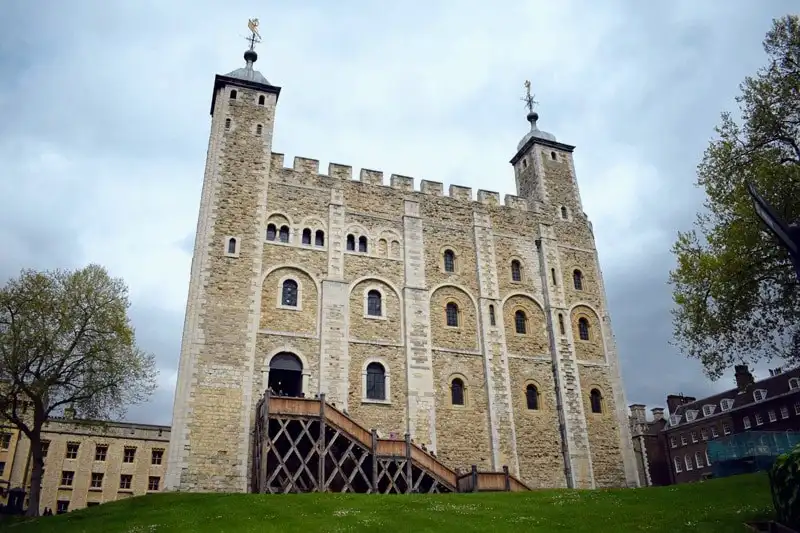
1. Tower of London & Tower Bridge
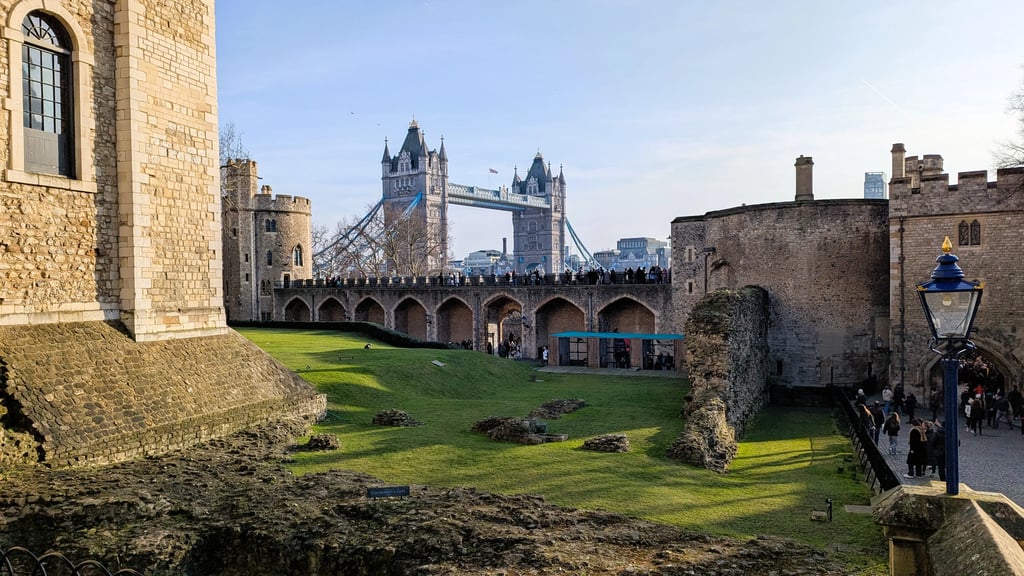
The Tower of London, welcoming 2.9 million visitors in 2024. The popular historical site is famed for its nearly 1,000 years of history, glistening Crown Jewels, and its famous raven residents. Skip the Line Tower of London & Westminster Tour and River Cruise
- Pro Tip: The Crown Jewels are a definite must-see, housing an impressive collection of diamond-encrusted state crowns alongside historic gold chalices and royal robes. The White Tower is also essential — built by William the Conqueror and dating back nearly 1,000 years, it houses armour worn by Henry VIII.
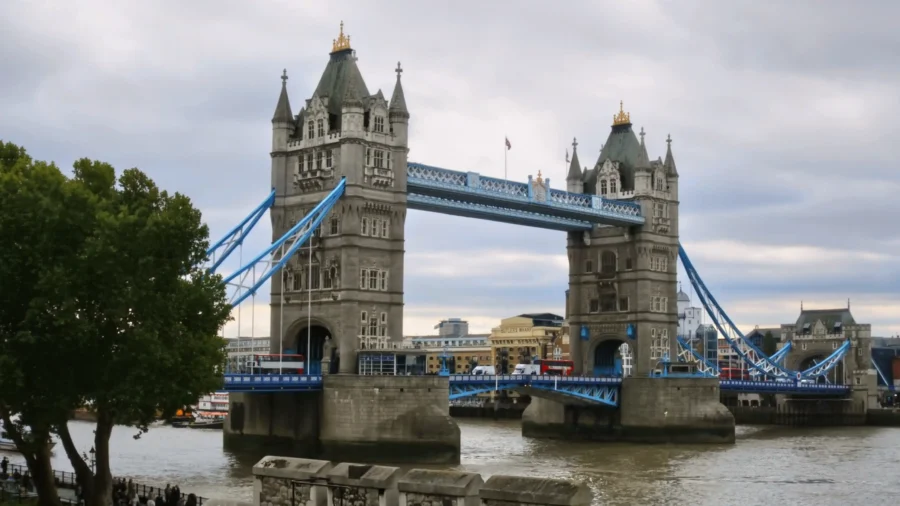
- Don’t Miss: Just outside the Tower is the famous Tower Bridge, which rises majestically over the Thames. Let Me Show You London The Tower Bridge Exhibition offers stunning panoramic views 42 metres above the river.
Tower of London and Tower Bridge
2. Westminster Abbey, Big Ben & Buckingham Palace
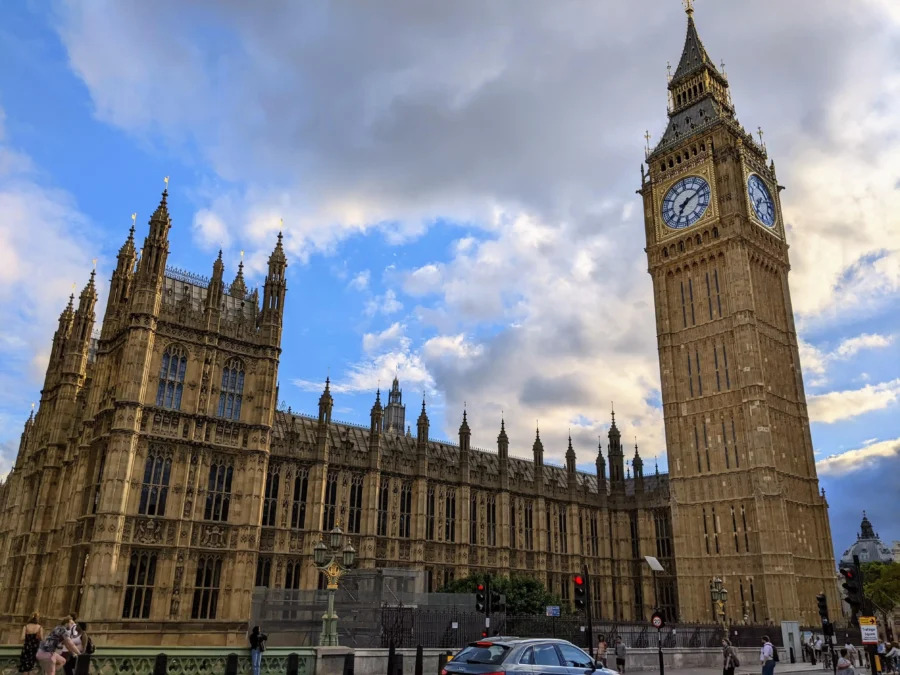
Westminster Abbey was initially built by Henry III in 1245 and is one of the most important Gothic buildings in England — the coronation church since 1066 and the final resting place of 17 monarchs. Tripadvisor
- Buckingham Palace: The Changing of the Guard ceremony dates back to 1689. Elite soldiers and an accompanying military band participate in this ceremony, which lasts about an hour and is a free spectacle, occurring every Monday, Wednesday, Friday, and Sunday at 11 AM. Be sure to get there early.
- Pro Tip: Pre-book tickets for the London Eye or the Tower of London weeks in advance to avoid two-hour waits in the sun during peak season.

3. The British Museum & National Gallery
Two of the world’s great free museums stand just minutes apart in central London. The British Museum houses over two million years of human history and culture, with world-famous objects including the Rosetta Stone, the Parthenon sculptures, and Egyptian mummies. Tripadvisor The National Gallery on Trafalgar Square holds one of the greatest collections of paintings in the world.
- Pro Tip: Both museums are free to enter and among the best value experiences in any major city on earth. Book timed entry slots online during peak season to avoid queues at special exhibitions.
A Culinary Haven: From Fish & Chips to Afternoon Tea
London’s food scene reflects its multicultural population. Curry houses, dim sum, Turkish grills, and Caribbean specialties are just as representative of the city as its famous fish and chips and Sunday roasts. City Unscripted
Some of the top London street food can be found at Borough Market, Brick Lane, Camden Market, Broadway Market, and Greenwich Market. Visit London
- Regency Café: A London institution for the classic full English breakfast — bacon, eggs, sausages, baked beans, tomatoes, mushrooms, and toast, a British tradition that provides energy to start a day full of activities. London Travel Planning
- Borough Market: Open Monday through Saturday, you can wander through 100+ stalls of fresh produce, cheese, seafood, juice, and international cuisine. Traverse An essential stop for any food lover.
- Afternoon Tea: For many, the best food experience in London is afternoon tea — typically served with a selection of finger sandwiches, other savouries, cakes, and scones to slather with generous amounts of jam and clotted cream. London Travel Planning Aqua Shard at The Shard offers a spectacular setting with panoramic views over the Thames (reservations required).
- The Classics: Be sure to try crispy fish and chips by the Thames, a hearty Sunday roast at a local gastropub, and at least one pint of cask ale in a centuries-old London pub.
- The Indian Food Scene: London is known for multicultural icons like chicken tikka masala and curries on Brick Lane. GastroTravelogue Dishoom is a brilliant modern option for a stylish introduction to London’s world-class Indian food.
Conclusion: Your London Destination Guide Awaits
Through this journey across London, you’ve uncovered its iconic landmarks, distinct neighborhoods, world-class museums, and a culinary culture as diverse as the city itself. Armed with these insights, you’re ready to embark on your own adventure in one of the world’s truly great capitals.
Don’t forget to take plenty of photos, but allow yourself to be fully present. The beauty of London is best appreciated in the details — the ravens at the Tower, the golden light on the Thames at dusk, the buzz of a West End crowd spilling out onto the street after a show.
When planning your itinerary, consider building time for London’s iconic café and pub culture. A pint of cask ale in a historic pub is a must — but London is also huge on gin, with lots of distilleries offering tastings. GastroTravelogue And of course, no visit to London is truly complete without at least one unhurried afternoon tea, watching the city move from a warm seat by the window.
As you experience all that London offers, remember to savor the small moments — a chance conversation with a local in a tucked-away pub, the quiet grandeur of Westminster at dawn, or the view from Waterloo Bridge at sunset. These are the memories that will bring you back.
Tours and Attractions
London is a treasure trove of cultural and historical attractions. With a rich history and countless landmarks, the city offers numerous tours and sights that let you explore its diverse heritage. With a few hours you can see iconic landmarks such as the Tower of London, Buckingham Palace, and Westminster Abbey. Opt for skip-the-line tours to experience the British Museum and the National Gallery without the wait. For a unique experience, consider exploring the historic streets of the East End or indulging in a food and drink tour to savor local delicacies. Many of these attractions are accessible by simply walking through their respective neighborhoods but booking a tour like this that we highly recommend can provide valuable insights into the history and significance of each location. We can help you book any tours and skip-the-line experiences here.
Local Food and Drinks
Whether you’re sampling the classic fish and chips at a traditional pub like Lamb & Flag or savoring the flavors of a street food market, there’s always something delicious to discover. Don’t miss the chance to indulge in a hearty full English breakfast at Regency Cafe, a British tradition that includes eggs, bacon, sausages, baked beans, and toast. For an authentic London experience, visit Borough Market, one of the oldest and largest food markets in the city, where you can find everything from artisan cheeses to freshly baked pastries. Of course, being a cosmopolitan paradise for foodies London is known for having some of the best Indian food in the world and CN traveler shares some of the Top 29 Indian restaurants to choose from in London. Another must-try is the quintessentially British and unique experience of Peter Pan Afternoon Tea at Aqua Shard (reservations required), complete with scones, clotted cream, and a selection of finger sandwiches and spectacular panoramic views of the London skyline and Thames. For drinks, explore London’s lively pub culture and enjoy a pint of ale or craft beer. From traditional fare to modern culinary delights, London promises a feast for every palate.
Each of these neighborhoods offers unique experiences. Exploring them will not only enrich your travel experience but can also provide insight into local life and culture.
Top Things to Do in London
Best Things to See and Do in London
When visiting London, it’s essential to prioritize your itinerary. The city is home to a myriad of attractions, both famous and lesser-known. Begin with the classics: the British Museum, where you can gaze upon the Rosetta Stone and Egyptian mummies; the iconic Big Ben and the Houses of Parliament, perfect for capturing stunning photographs; and the Tower of London, a historic castle that has stood the test of time.
For a different perspective, consider visiting the Shard, the tallest building in the UK, which offers breathtaking views of the city from its observation deck. Additionally, the West End is a must-see for theater lovers, featuring a vibrant selection of shows ranging from classic plays to modern musicals. Each of these attractions provides insight into London’s diverse culture and history.
Must-Visit Attractions
While the top-tier attractions are undoubtedly worth visiting, there are several must-see sites that represent the quintessential London experience. The London Eye offers a unique vantage point of the city’s skyline, especially enchanting during sunset. Nearby, Covent Garden bustles with street performers and artisan shops, making it a lovely spot to relax and enjoy the atmosphere.
Don’t overlook the royal parks. Hyde Park, Kensington Gardens, and Regent’s Park are perfect for a leisurely stroll or a picnic amidst nature. These parks provide a tranquil escape from the city’s hustle and bustle, allowing travelers to unwind and recharge.
Top Sights, Activities, and Tours
Top Activities for Visiting London
Once you’ve checked off the essential attractions, there are plenty of enjoyable activities to enhance your visit. Exploring markets like Borough Market or Camden Market can be a delightful experience filled with food tastings and unique finds. Additionally, a Thames River cruise offers a unique view of the city’s landmarks from the water, making it a memorable experience.
Another fantastic activity is attending an afternoon tea at one of London’s many elegant tea rooms. This age-old tradition is a perfect way to indulge in quintessential British culture while enjoying delightful pastries and sandwiches.
Guided Tours vs. Self-Guided Explorations
Choosing between guided tours and self-guided explorations depends on your travel style. Guided tours provide structured experiences with knowledgeable guides sharing insights and stories you might miss on your own. Popular tours include walking tours of historical neighborhoods and themed tours like Harry Potter or Jack the Ripper.
On the other hand, self-guided explorations allow for flexibility and spontaneity. With a good map or navigation app, you can create your own path, discovering hidden spots and cafes that interest you along the way. This approach often leads to unexpected and delightful experiences.
Dining in London
Best Restaurants to Experience
London’s dining scene is incredibly diverse, catering to every taste and budget. For a fine dining experience, consider dining at Michelin-starred restaurants such as The Ledbury or Dinner by Heston Blumenthal, which offer exquisite menus prepared by acclaimed chefs.
If you’re seeking more casual options, neighborhoods like Soho and Shoreditch are filled with trendy eateries and international cuisine, from Italian to Ethiopian. These areas provide a lively dining atmosphere, often accompanied by vibrant nightlife.
Street Food and Markets
Street food is a major highlight of London’s culinary culture. Markets like Borough Market are famous for their artisanal food vendors offering delicious options from around the world, including gourmet burgers, fresh seafood, and vegan specialties. Camden Market is another hotspot, known for its eclectic food stalls, each presenting unique flavors and culinary styles.
Exploring these markets allows for a culinary adventure without breaking the bank, and you can sample a variety of dishes in one outing.
Tips for Dining in London
When dining out in London, it is essential to make reservations in advance, especially at popular restaurants. Additionally, familiarize yourself with dining customs; for example, service charges may be included in your bill, but it’s common to leave a small tip if you’re satisfied with the service.
Lastly, don’t hesitate to explore beyond traditional English cuisine. London is a melting pot of cultures, and trying food from different parts of the world is a highlight of any visit.
Essential Travel Tips
FAQs
What is the best time to visit London?
The best time to visit London is during the spring (March to May) and fall (September to November) when the weather is mild and the crowds are smaller.
How many days should I spend in London?
A minimum of three to four days is recommended to see the major attractions and experience the culture of London fully.
Is public transport safe in London?
Yes, public transport in London is generally safe, and millions of people use it daily. It’s advisable to stay alert and keep your belongings secure.
Are London attractions wheelchair accessible?
Many of London’s major attractions are wheelchair accessible, but it’s important to check specific venues for details before your visit.
How can I save money while visiting London?
Consider getting an Oyster card for discounts on public transport, and take advantage of free attractions like museums and parks.
In conclusion, London is a city that caters to every type of traveler, offering a rich tapestry of history, culture, and culinary delights. By planning your itinerary with a mix of iconic sites and hidden gems, using the extensive public transport system, and choosing the right neighborhoods to stay in, you can create a memorable experience that showcases the very best of what London has to offer.
Best Neighborhoods for Visitors
Covent Garden
Covent Garden is a lively area known for its shopping, dining, and entertainment. The historic market is a must-visit, featuring a variety of boutique shops and street performers. The Royal Opera House is also located here, making it a cultural hotspot for theatre and opera lovers.
In addition to shopping, Covent Garden offers a plethora of dining options, from casual cafes to high-end restaurants. Visitors can enjoy the vibrant atmosphere while sampling local cuisine or international flavors, making it an ideal spot for food enthusiasts.
Notting Hill
Famous for its colorful houses and the annual Notting Hill Carnival, this neighborhood is a must-visit for anyone wanting to experience London’s bohemian side. The Portobello Road Market, held on Saturdays, is an eclectic mix of antiques, vintage items, and fresh produce. It’s a perfect place to spend a leisurely morning exploring.
Notting Hill is also home to a variety of quaint cafes and restaurants, where visitors can enjoy a meal while soaking in the area’s charming atmosphere. With its vibrant culture and unique shops, Notting Hill offers an authentic glimpse into London life.
Shoreditch
Shoreditch is known for its artistic vibe, street art, and trendy bars and cafes. Once an industrial district, it has transformed into a hub for creatives and entrepreneurs. The area is filled with galleries, pop-up shops, and artisanal eateries, making it a great destination for those looking to explore London’s contemporary culture.
Don’t miss the opportunity to stroll through Brick Lane, renowned for its multicultural food scene and vintage markets. Whether you’re in the mood for a curry or a bagel, Shoreditch has something to satisfy every palate. The nightlife here is equally vibrant, with many bars and clubs offering live music and entertainment.
Top Activities and Sightseeing for Travelers
Best Things to Do and See in London
When in London, you’ll find an abundance of attractions to fill your itinerary. The British Museum holds a vast collection of art and antiquities from around the world, while the Tower of London offers a glimpse into the city’s rich history, including the Crown Jewels. A visit to Buckingham Palace is also essential; if you’re there at the right time, you can witness the Changing of the Guard ceremony.
For a touch of modernity, head to the Shard, where you can take in breathtaking panoramic views of the city from one of its observation decks. London’s diverse cultural scene also includes a range of theatrical performances in the West End, showcasing both classic and contemporary plays and musicals.
Must-Visit Museums and Galleries
London is home to some of the world’s most famous museums and galleries, many of which offer free admission. The Tate Modern, housed in a former power station, displays an impressive collection of modern art, while the National Gallery features masterpieces by renowned artists like Van Gogh and Monet.
The Natural History Museum and the Science Museum are excellent family-friendly options, providing interactive exhibits that engage visitors of all ages. Additionally, the Victoria and Albert Museum celebrates art and design across various mediums, making it another fantastic stop on your cultural journey through London.
Parks and Outdoor Spaces
In the midst of the bustling city, London also boasts beautiful parks and green spaces. Hyde Park is one of the largest and most famous, offering serene walking paths, boating opportunities, and the iconic Serpentine Lake. It’s a great place to relax, have a picnic, or even catch a concert during the summer months.
Other notable parks include Regent’s Park, which features stunning rose gardens and an open-air theatre, and St. James’s Park, known for its picturesque views of Buckingham Palace. These green spaces provide a refreshing escape from the urban environment, allowing you to unwind and enjoy the natural beauty of the city.
Iconic Landmarks and Historical Sites
London is dotted with iconic landmarks that capture the essence of its history and culture. Big Ben and the Houses of Parliament are perhaps the most recognizable symbols of the city, while the London Eye offers a unique perspective of the skyline from its giant observation wheel.
Visiting the historic sites of Westminster Abbey and St. Paul’s Cathedral can provide deep insights into the city’s religious and royal heritage. Each of these landmarks tells a story and contributes to the rich tapestry that is London. Make sure to set aside time for both guided tours and personal exploration at these sites.
Where to Stay in London
Luxury Hotels
For those seeking a lavish experience, London is home to some of the world’s most prestigious hotels. The Savoy, located on the Strand, is an iconic establishment known for its luxury and exceptional service. Guests here can enjoy stunning river views and fine dining options, including the famous Savoy Grill.
Another top-tier option is The Ritz London, a symbol of elegance and sophistication in the heart of the city. With its exquisite rooms and impeccable service, The Ritz provides an unforgettable experience for travelers looking to indulge during their stay.
Budget-Friendly Options
Traveling on a budget does not mean sacrificing comfort. London has a plethora of budget-friendly accommodation options, including hostels and budget hotels. The London Central Hostel is a popular choice for backpackers, offering affordable dormitory-style rooms and a social atmosphere.
Additionally, chain hotels like Premier Inn and Travelodge can be found throughout the city, providing comfortable stays at reasonable prices. Many of these options are conveniently located near public transport, making it easy to explore all that London has to offer without breaking the bank.
Unique Accommodations
If you’re looking for a distinctive experience, consider staying in one of London’s unique accommodations. From converted warehouses in Shoreditch to charming bed and breakfasts in Notting Hill, there’s something for everyone. Airbnb also offers an array of options, including stylish flats and cozy rooms in various neighborhoods.
For a truly memorable stay, consider booking a night in a historic hotel like the Bloomsbury Hotel, which combines modern luxury with classic British charm. Unique stays can offer a deeper connection to the city, making your visit even more special.
Best Restaurants and Experiences for Travelers
Top Dining Experiences
London’s dining scene is as diverse as its population, offering a culinary journey that spans the globe. For a fine dining experience, consider visiting The Ledbury in Notting Hill, known for its innovative British cuisine and two Michelin stars. Another top contender is Dinner by Heston Blumenthal, where historic British dishes are presented with a modern twist.
For something more casual yet equally delicious, try Dishoom for authentic Indian cuisine in a beautifully designed setting. With a focus on shared plates and vibrant flavors, it’s a great spot to enjoy a meal with friends or family.
Local Food Markets
Exploring London’s food markets is a must for any traveler. Borough Market is one of the city’s oldest and most famous markets, offering a wide range of gourmet foods, fresh produce, and artisan products. It’s the perfect place to grab a quick bite or shop for unique ingredients to take home.
Another great market is Camden Market, which features an eclectic mix of street food stalls, vintage shops, and quirky boutiques. The atmosphere is lively, making it an ideal spot to spend an afternoon indulging in local flavors and shopping for unique souvenirs.
Conclusion
London is a city that truly has it all, from rich history and culture to vibrant neighborhoods and world-class dining. Whether you’re wandering through iconic landmarks or enjoying a meal in a quaint cafe, the experiences you have here will leave lasting memories. Use this guide to help you navigate the city and make the most of your trip, ensuring you uncover the best that London has to offer.
FAQs
What is the best time to visit London?
The best times to visit London are generally during the spring (March to May) and fall (September to November) when the weather is mild and the tourist crowds are smaller.
How can I save money while traveling in London?
To save money in London, consider using an Oyster card for public transit, exploring free attractions like museums, and dining at local markets or budget-friendly restaurants.
Is it safe to walk around London at night?
London is generally safe for walking at night, especially in well-lit and populated areas. However, as with any large city, it’s advisable to remain aware of your surroundings.
What is the dress code in London restaurants?
Most restaurants in London are casual, but upscale places may require smart casual attire. It’s always best to check the restaurant’s website for specific dress code guidelines.
Do I need to tip in London?
Tipping in London is customary but not mandatory. In restaurants, a tip of 10-15% is standard if service isn’t included in the bill. For taxis, rounding up to the nearest pound is common.