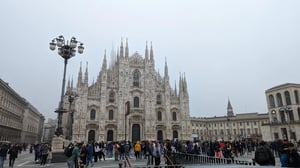

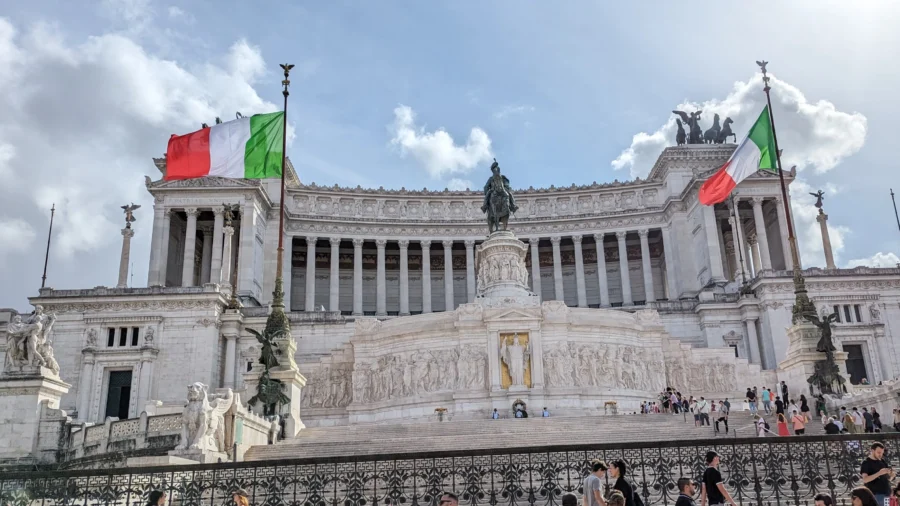
They say all roads lead to Rome, but for many, every road leads to gelato. Steeped in over 2,500 years of history, the “Eternal City” is a spectacular blend of ancient heritage and modern elegance. Whether you are standing in the shadows of the Colosseo where Gladiators once fought or walking in the footsteps of Julius Caesar, Rome is a city that spoils its visitors with every cobblestone step. It is not only famous for its historical sites but also for its vibrant culture and artistic heritage.
We look to provide the essential recommendations of what to do in Rome, and where to stay to help you turn your vacation into an unforgettable experience. We will help you navigate through its wonders, as outlined where all roads lead to achieving your leisure goals.
| Best Time to Visit | Suggested Duration | Transport | Must-Eat Dish |
| April to May & September to October | 4–5 Days | Walking / Metro | Cacio e Pepe, Carbonara |
When to Visit Rome:
The best time to visit Rome is during the shoulder seasons of April to May and September to October. These months offer the perfect balance of mild weather and manageable crowds, ideal for exploring the Colosseum and Pantheon on foot. While summer (June–August) is popular, it often brings intense heat and peak pricing; conversely, visiting in the winter “off-season” provides the best value and shortest wait times at world-class museums. To truly appreciate what Rome has to offer, make sure to consider visiting during off-peak times for a more intimate experience. This will help you to engage and explore without the hustle and bustle of peak months.
Rome at a Glance
| Time of Year | Weather | Crowd Level | Best For… |
| Spring (Apr–May) | Mild & Sunny | Moderate | Sightseeing & Flowers |
| Summer (Jun–Aug) | Hot & Dry | High | Festivals & Nightlife |
| Autumn (Sept–Oct) | Warm & Golden | Moderate | Food & Wine Harvest |
| Winter (Nov–Mar) | Cool & Crisp | Low | Budget & Indoor Art |
Navigating the Eternal City:
The cobblestone streets of Rome are best explored with a mix of transit and footwork. With so many tourists and the historic center being relatively dense for landmarks and piazzas (open square), it is a wonderful way to experience the city.
- Public Transportation: Roma ATAC The city’s official transit system (buses, trams, and Metro) is extensive. If you’re taking the public transportation for most of your trip, we recommend the Roma Pass for 48 or 72 hours; it offers unlimited transport and discounted entry to your pick of 2 major sites. For efficiency “Tap & Go” (contactless) is the primary method of payment; skip the paper tickets. Metro Line C now connects the historic center directly to the artisan district of Pigneto.
- The “Intrepid” Option: For those feeling bold, renting a Vespa or bicycle for a few hours is a classic Roman experience (helmets are a must!).
- Beyond Rome (High-Speed Rail): For travel to other parts of Italy, TrenItalia is the gold standard for fast and efficient rail travel.
Advisor Note: Rome is relatively safe but, beware and be aware of the pickpockets and friendship bracelet scams that some may try on unsuspecting travelers.
Where to Stay in Rome: Choose the Right Neighborhood for Your Trip
Rome isn’t a city where one hotel fits all. The neighborhood you choose will shape how you experience the Eternal City, how much you walk, what you eat, and how immersed you feel in daily Roman life. Whether you want to step out of your door and see the Pantheon or tuck into a traditional trattoria in a quiet alley, here is the breakdown of where to stay and what to do in Rome’s best neighborhoods for visitors. Exploring these areas will give you a well-rounded perspective of the city’s rich culture and history.
Instead of focusing on hotel names alone, start by choosing the right area. Below are some of the best neighborhoods to stay in Rome, matched to different travel styles, budgets, and priorities.
Best Neighborhoods to Stay in:
For first‑time visitors, the Centro Storico (near the Pantheon or Piazza Navona) is our top choice. It’s walkable, atmospheric, and puts Rome’s most iconic sights right outside your door.
Why we love it:
- Central and incredibly walkable. You are minutes away from the Pantheon, Piazza Navona, and the Trevi Fountain
- Excellent dining options
- Ideal for shorter stays and first visits
Note: Expect higher prices and more crowds in these areas, but you’ll save a fortune on taxi fares.
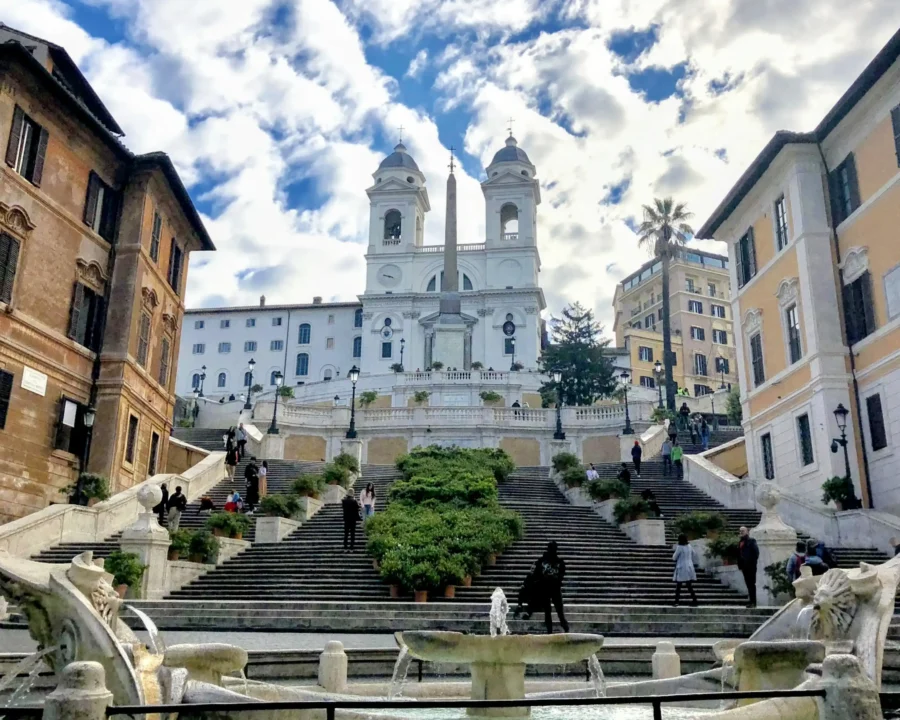
Luxury travelers and shoppers will love Piazza di Spagna, is home to elegant hotels, designer boutiques, and easy access to Villa Borghese’s gardens.
Why we love it:
- Great for families and luxury stays
- High‑end hotels and shopping
- Transit Hub: The Spagna Metro Station (Line A) provides a direct, fast connection to the Vatican and Termini Station.
For those craving charm and great food: Trastevere is across the Tiber River with its cobblestone streets, lively trattorias, and a distinctly local feel is perfect for romantics and longer stays.
Why we love it:
- Fantastic family trattorias and nightlife
- Ideal for longer stays and apartment living
- Authentic neighborhood vibe
For history buffs and travelers seeking a quieter evening: Imagine stepping outside your hotel and seeing the Colosseum. Monti blends ancient Rome with a cool, creative energy; think artisan shops, wine bars, and cozy cafés tucked among historic streets.
Why we love it:
- Incredible historical setting
- Stylish boutique hotels
- Lively yet less touristy feel
The Vibe: An area that turns history books into reality, located right next to the ancient ruins.
For Vatican visits, families, quieter stays, museums: You’ll be first in line for the Vatican Museums and St. Peter’s Basilica. If the Vatican is a major focus of your itinerary, Prati offers a refined and residential base just steps away. Wide boulevards, excellent shopping, and great restaurants make it a pleasant retreat at the end of the day.
Why we love it:
- Great balance of comfort and convenience
- Easy access to Vatican Museums
- Elegant, less crowded feel
Skip-the-line is mandatory for the best Vatican experience. Strict dress code: shoulders and knees must be covered.
For foodies, longer stays, and repeat visitors: Testaccio is a true Roman neighborhood, famous for its food culture and local markets. While it’s outside the historic center, it’s well connected by public transport and rewards travelers who want to experience everyday Roman life. Apartments here are often more spacious and better value, making it a great option for longer stays.
Why we love it:
- Vibrant music scene with great bars and clubs
- Outstanding food scene
- Authentic, local feel
For budget travelers, short stays, early and departures: Staying near Rome’s main train station can make sense if you’re arriving late, leaving early, or prioritizing transportation access. You’ll find the widest range of budget accommodations here. That said, this area is more practical than charming and not ideal for travelers who want to wander at night or soak up Roman ambiance.
Why it works:
- Excellent transport connections
- Best value pricing
- Convenient for short stays
Each of these neighborhoods offers unique experiences, from attractions, art, to dining. Exploring them will not only enrich your travel experience but can also provide insight into local life and culture.
Top Things to Do in Rome
As was said by Maximus, in Gladiator, “Are you not entertained?”. If you’re looking for what to do in Rome, for first‑time visitors, the city shines when you slow down and savor it. Take in iconic sights like the Colosseum, Pantheon, and Vatican City, then balance them with simple pleasures, wandering Trastevere, tossing a coin into the Trevi Fountain, or lingering in a lively piazza with gelato in hand. Prepare to be enthralled, educated, and entertained because, in Rome, the magic is just as much about the moments between the landmarks as the landmarks themselves.
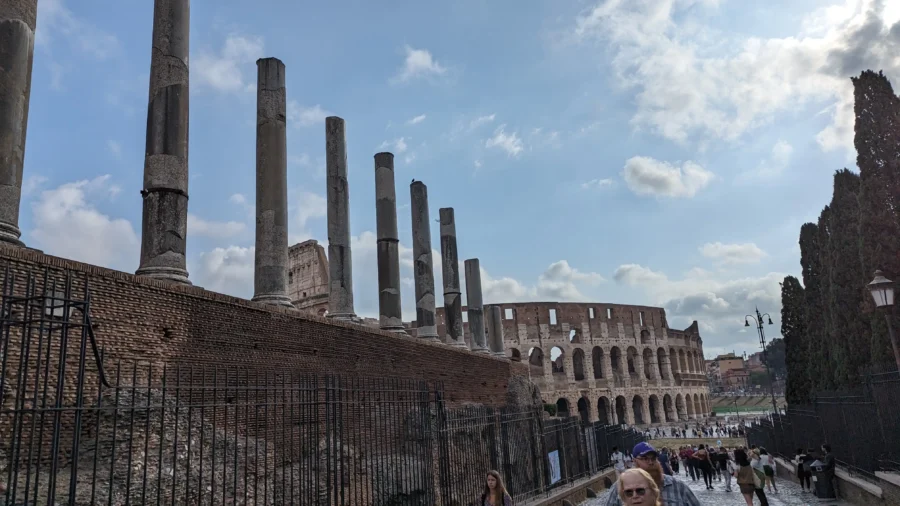
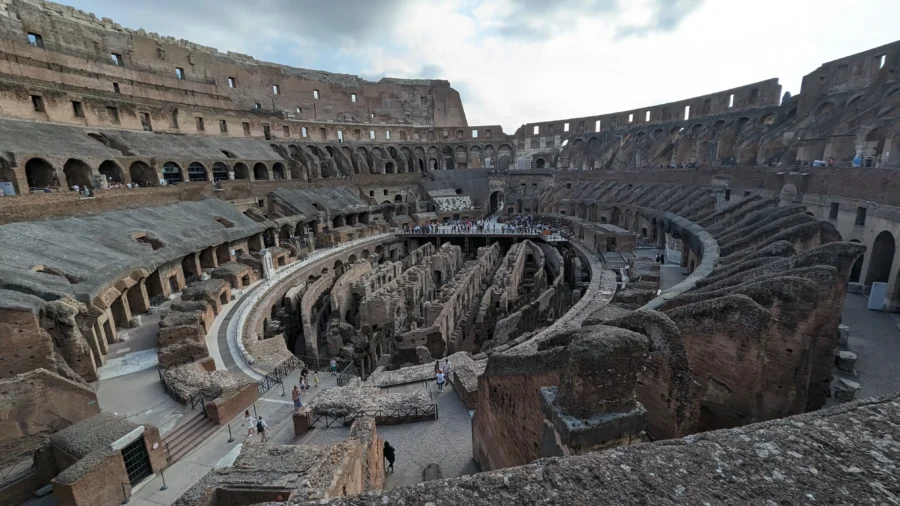
1. The Colosseum & Roman Forum
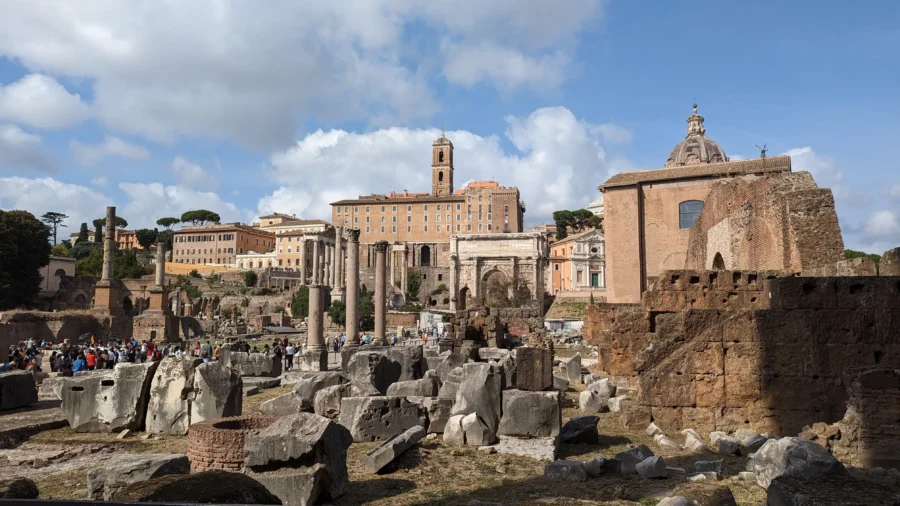
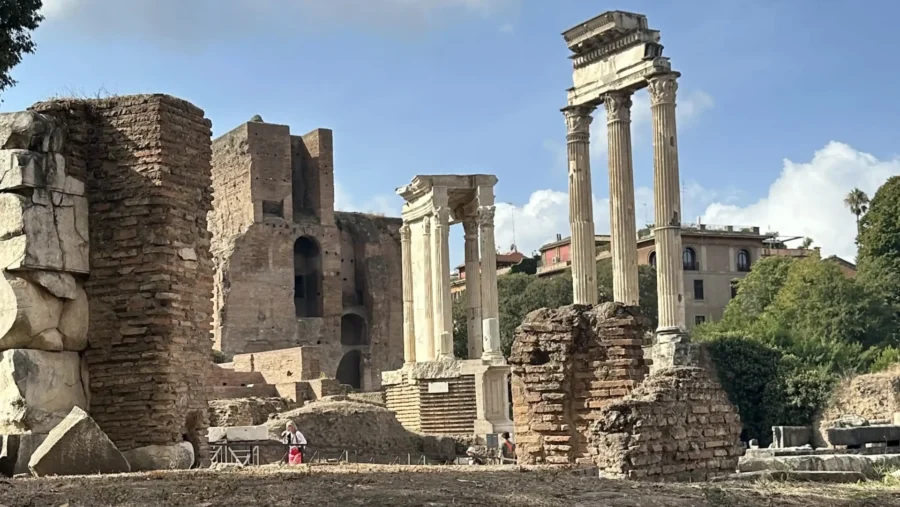
The undisputed heavyweight champions of Rome. The Colosseum is where the gladiatorial action happened, but the neighboring Roman Forum is where the actual “life” of the Empire took place.
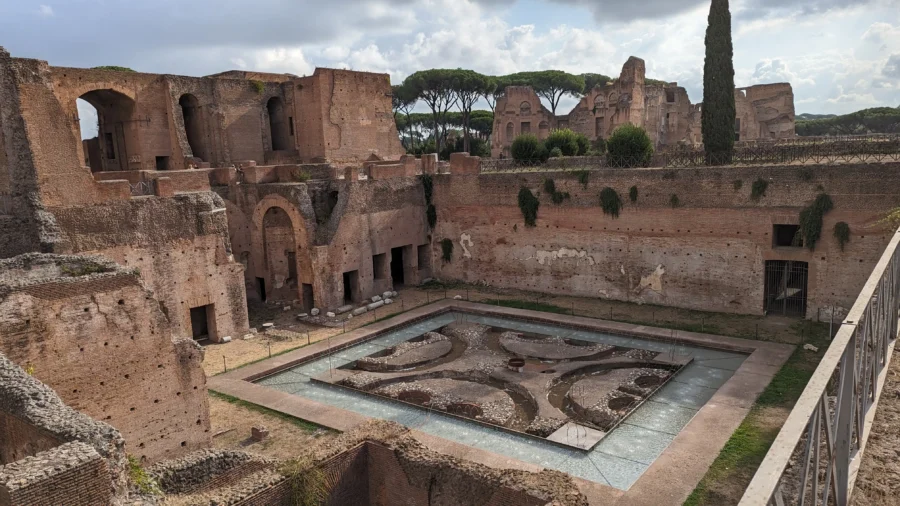
- Pro Tip: Buy a combined ticket for the Colosseum, Forum, and Palatine Hill.
- Don’t Miss: The view from Palatine Hill; it offers the best panoramic perspective of the ruins below.
The epicenter of the Roman democracy
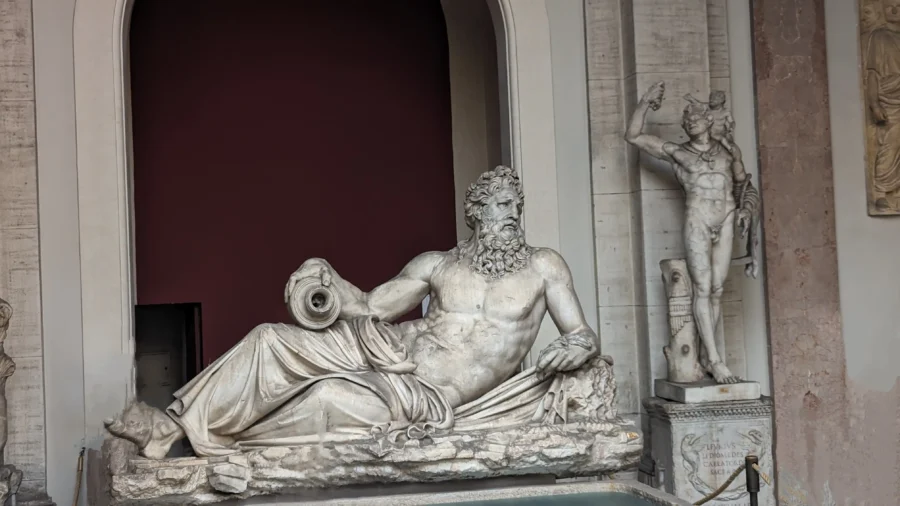
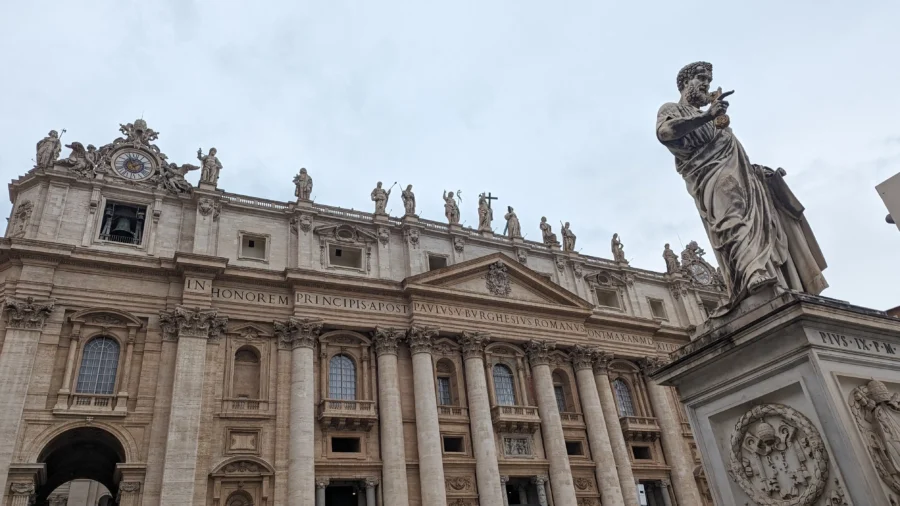
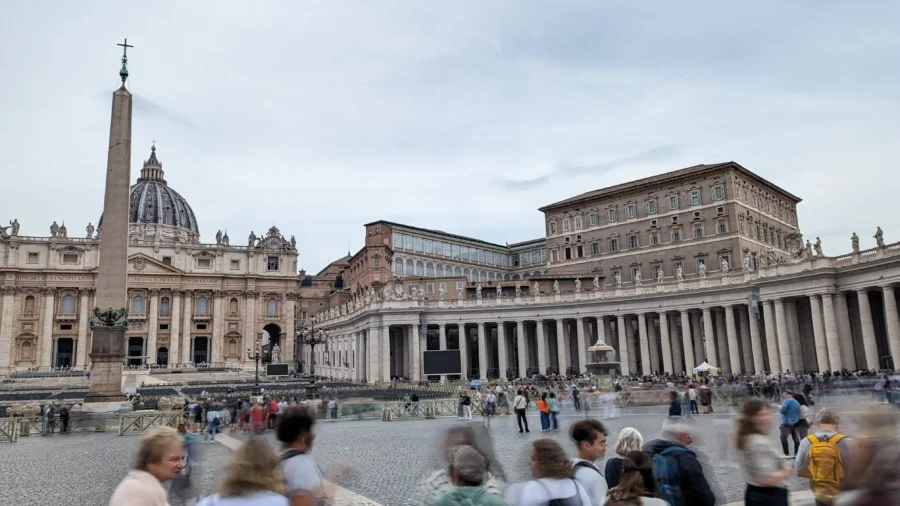
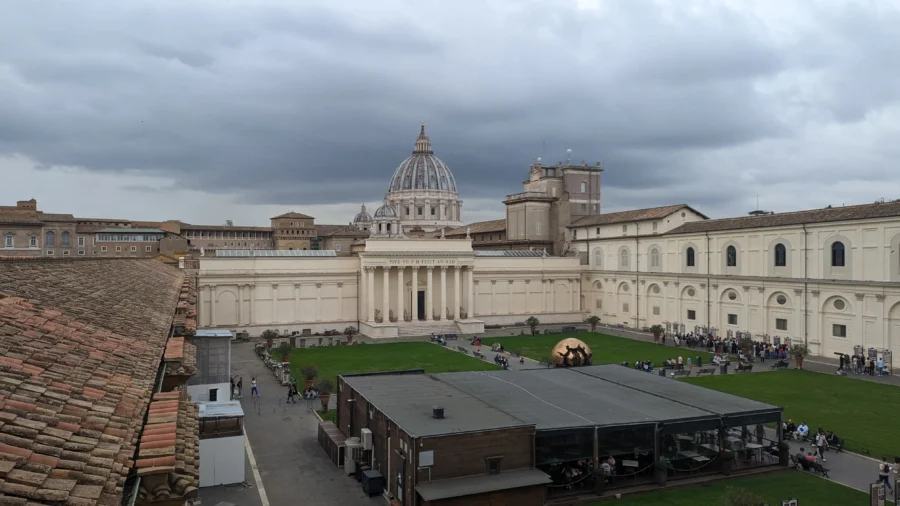
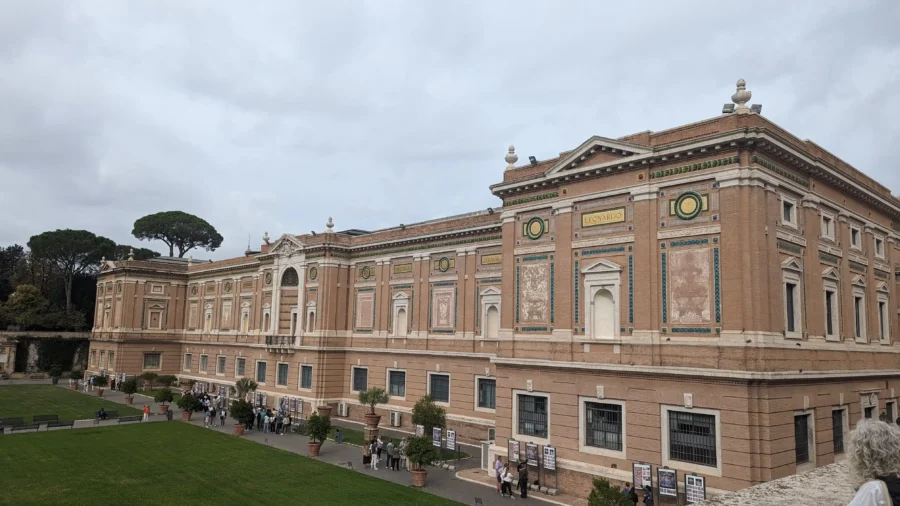
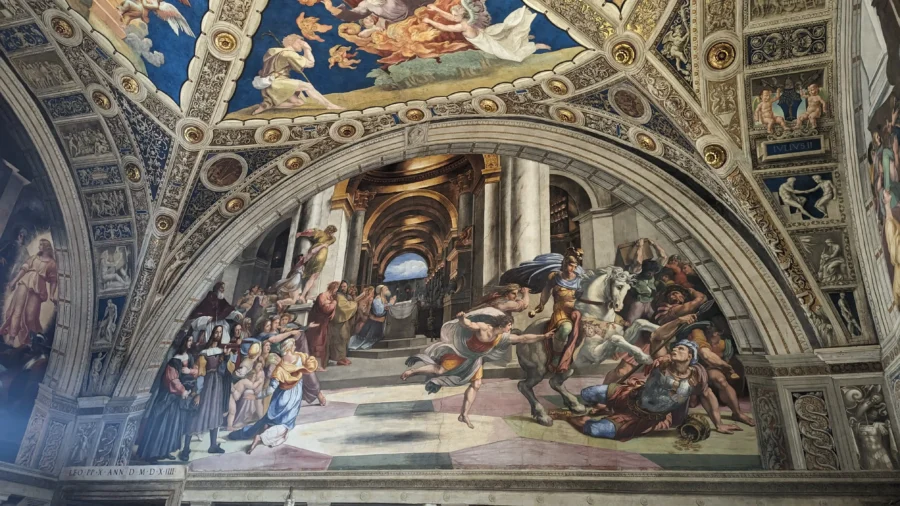
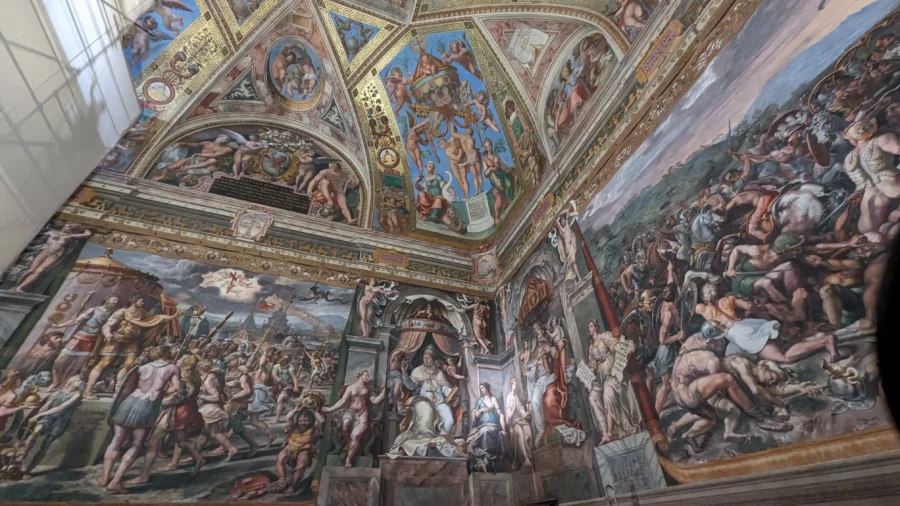
2. Vatican City (St. Peter’s & Sistine Chapel)
Technically another country, but right in the heart of Rome. Between the sprawling Vatican Museums and the awe-inspiring St. Peter’s Basilica, you’ll see some of the world’s most famous art (including Michelangelo’s ceiling).
- Pro Tip: Book your museum tickets weeks in advance.
- If you’re visiting in 2026, look for the Holy Doors in the major basilicas, they only open once every 25 years!
- To avoid some of the longer lines we suggest tours like this Vatican, Sistine Chapel, and Basilica to give access and information without all of the waiting.
Beautiful artworks of and within Vatican City
3. The Pantheon & Piazza Navona
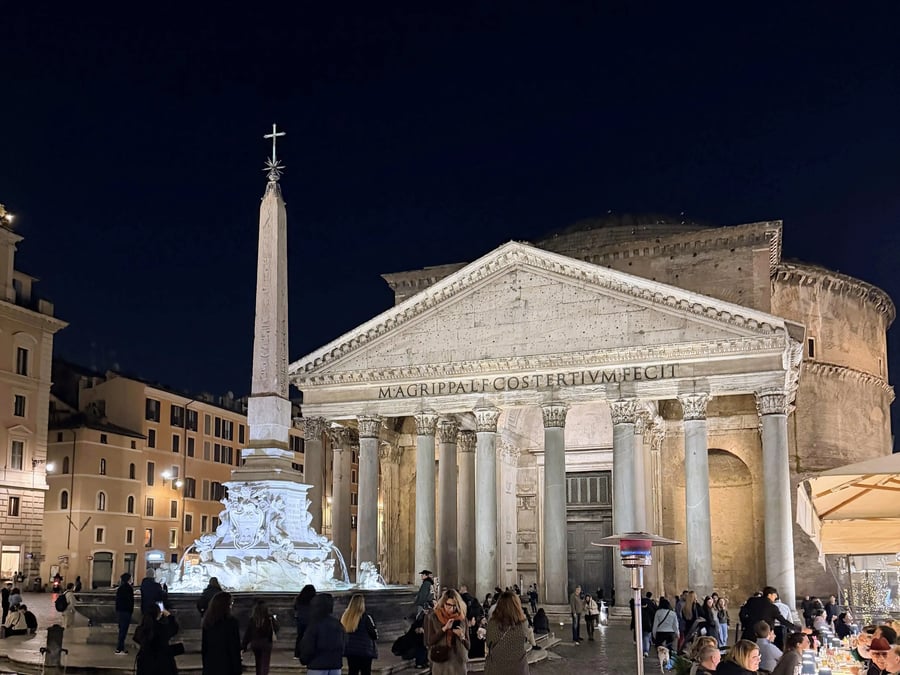
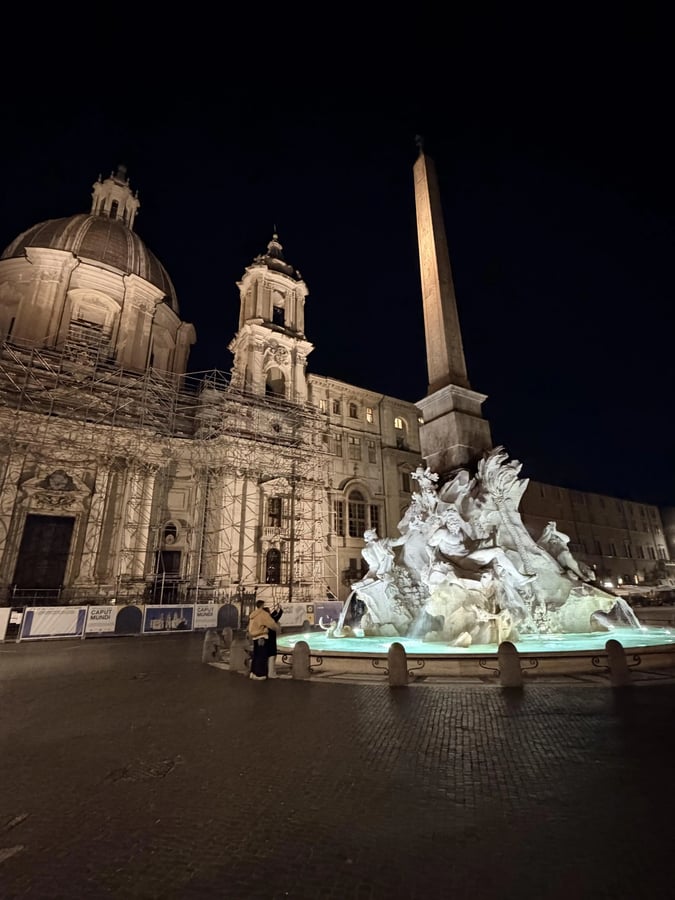
The Pantheon is the best-preserved building from Ancient Rome and features a massive dome with a hole in the top (the oculus). It’s just a short walk from Piazza Navona, home to Bernini’s famous fountains.
- Current Note: As of recently, the Pantheon requires a small entry fee (€5), and it’s best to book a time slot online for weekends.
- We suggest this guided tour of the Pantheon which provides additional context to the structure and its importance to Rome
- Free for anyone under the age of 18

4. Trevi Fountain (at Sunrise or Late Night)
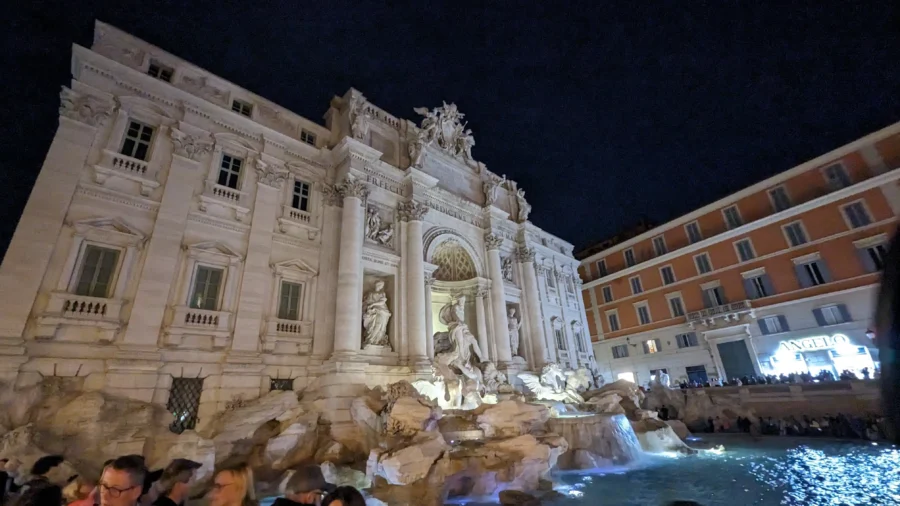
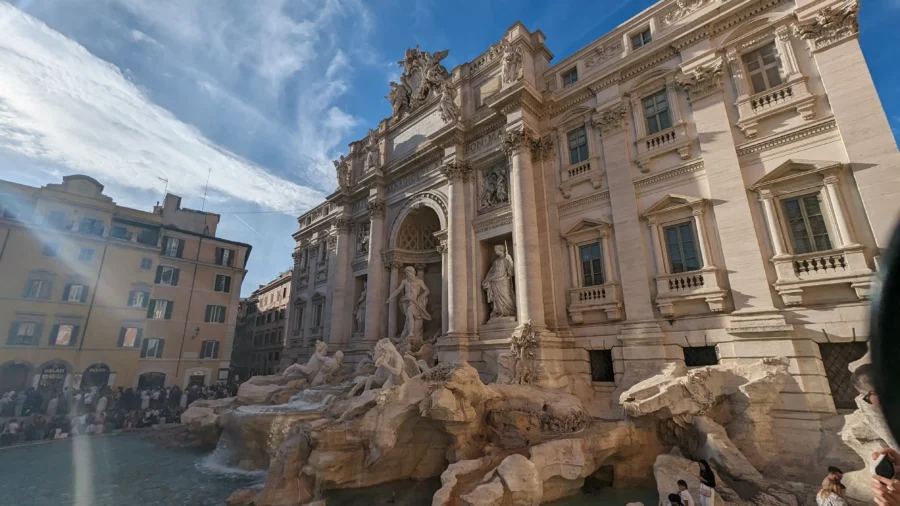
The Trevi Fountain is a masterpiece of Baroque art, but it’s also one of the most crowded spots on earth.
- The Ritual: Toss a coin over your left shoulder with your right hand to ensure you’ll return to Rome.
- Pro Tip: If you want a photo without 400 strangers in the background, get there before 7:30 AM.
The details and beauty of Trevi Fountain
5. Trastevere Food Crawl
After a day of history, cross the river to Trastevere. It’s a maze of cobblestone alleys, ivy-covered buildings, and some of the best food in the city.
- Must Eat: Try the “Big Four” Roman pastas: Carbonara, Amatriciana, Cacio e Pepe, and Gricia.
- Vibe: It’s the perfect place for an aperitivo (pre-dinner drink) as the sun sets.
- Try this Award-Winning group tour for tastes of Trastevere traditions, and treats.
Advisor Note: We can help you secure VIP skip-the-line experiences and private guided tours to ensure you spend your time exploring, not waiting in line.
A Culinary Haven: From Carbonara to Gelato
Rome’s culinary scene is a reflection of its diverse culture. Participating in a cooking class can offer a hands-on experience of Italian cuisine, where you can learn to make traditional dishes such as homemade pasta and sauces, enhancing your gastronomic adventure.
Roman food is all about the quality of fresh, seasonal ingredients.
- Nino: For great traditional food in Piazza di Spagna. It is a local favorite where you’ll see Roman families dining together; the atmosphere is authentic and the service is top tier.
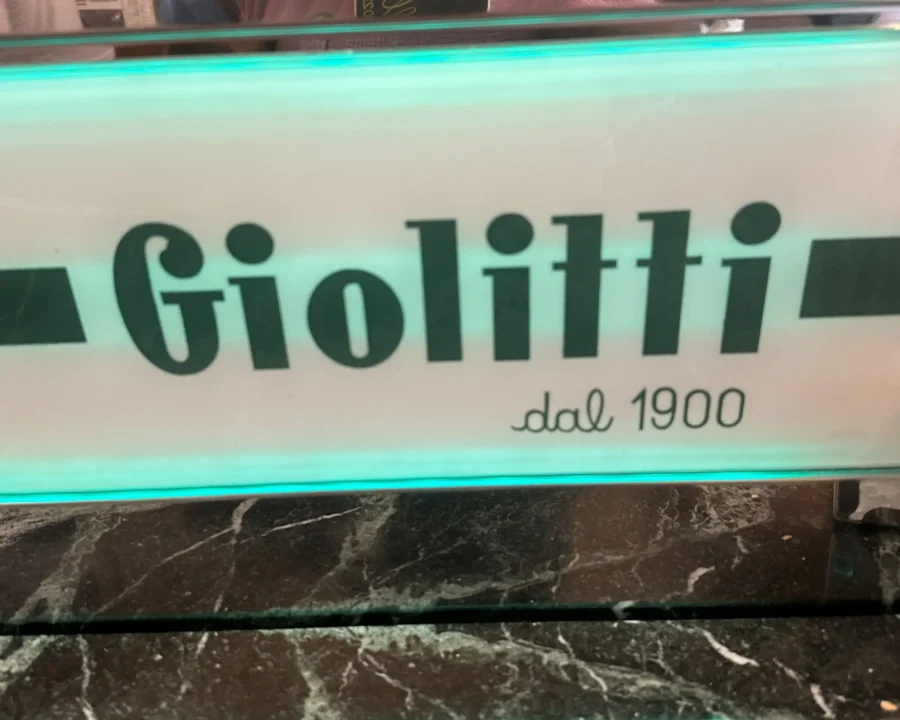
- Giolitti: Located near the Piazza Navona and the Pantheon, this is said to be the oldest ice cream parlor in Rome. It is a mandatory stop for dessert or pastries.

- The Classics: Be sure to try Carbonara, Cacio e Pepe, and Supplì (fried rice balls). Notice the regional variations compared to western interpretations.
- The Drink Culture: Expect Italian coffee at the bar in the morning, Chianti with your meal, and an espresso to finish every dinner.
Planning a foodie tour? Check out Condé Nast’s Expert Guide to Rome’s Best Restaurants for further inspiration.
Conclusion: Your Rome Destination Guide Awaits
Even if we advise you of what to do in Rome, Rome is not only a place to visit but a place to explore. Through this expanded journey across Rome, we hope you’ve learned about some of the dots to connect, diverse neighborhoods, and culinary delights. Armed with these insights, you’re ready to embark on your own adventure in the Eternal City.
Don’t forget about the unique opportunities for shopping in Rome. From artisanal markets to high-end boutiques, exploring the local craftsmanship can be an enjoyable experience for any traveler. Markets like Mercato di Campagna Amica offer local produce and handcrafted goods, giving you a taste of authentic Roman life.
We are here to help you roam in Rome and know that Rome is where the heart is.