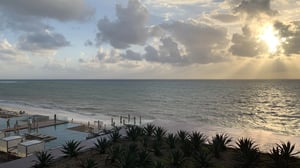

They say all roads lead to Rome, but many of the world’s most stylish runways lead to Milan. A city of dazzling contradictions, Milan seamlessly weaves together Gothic cathedrals, Renaissance masterpieces, cutting-edge design, and a culinary scene that rivals anywhere in Italy. Whether you are standing in the shadow of the iconic Duomo di Milano or sipping a perfectly crafted Negroni during aperitivo hour in the Navigli district, Milan is a city that rewards the curious traveler at every turn.
We welcome you to Milan, the vibrant heart of northern Italy! Known for its rich history, stunning architecture, and world-class fashion, it is more than just the home of Fashion Week. While planning to visit the cultured catwalk of Milan’s streets we will help guide you to your leisure goals.
| Best Time to Visit | Suggested Duration | Transport | Must-Eat Dish |
|---|---|---|---|
| April to May & September to October | 3–4 Days | Walking / Metro | Risotto alla Milanese, Osso Buco |
When to Visit Milan:
Visiting Milan in April to May or September to October are ideal for the best experience. These spring and fall months straddle the city’s peak tourism season, and they also escape the summer’s sweltering temperatures. If saving money is your goal, there are three weeks you should steer clear of: Salone del Mobile (Design Week), typically held the second or third week of April, sends hotel prices skyrocketing, with similar spikes during Winter Fashion Week (late February) and Fall Fashion Week (late September). Winter brings lower prices and a quieter charm with festive lights and cultural highlights. For the ideal balance of mild weather and manageable crowds, spring and fall provide the best time to appreciate the design and decor that Milan has to offer.
Milan at a Glance
| Time of Year | Weather | Crowd Level | Best For… |
|---|---|---|---|
| Spring (Apr–May) | Mild & Breezy | Moderate | Sightseeing & Design Week |
| Summer (Jun–Aug) | Warm & Humid | Moderate | Festivals & Lake Day Trips |
| Autumn (Sept–Oct) | Warm & Golden | Moderate | Food, Wine & Local Life |
| Winter (Nov–Mar) | Cool & Misty | Low | Budget, Markets & Indoor Art |
Navigating the Fashion Capital:
Milan is relatively compact, with an efficient and recently upgraded public transport system, meaning you can usually get from one end of the city to the other in under 45 minutes. The city is highly walkable, making it great for a walking tour, especially within the city center
- Public Transportation: ATM Milano — Milan’s public transport is operated by ATM (Azienda Trasporti Milanesi), and tickets are interchangeable across metro, bus, and tram. Day and three-day passes are available at €7.60 and €15.50 and can be purchased via the ATM app.
- The “Intrepid” Option: Milan offers a bike-sharing service called BikeMi, which includes traditional and electric bicycles. Stations are spread throughout the city, making it convenient to pick up and drop off bikes. GetYourGuide
- Beyond Milan (High-Speed Rail): Trains from Centrale Station reach Como in about 45 minutes, making it one of the most popular day trips from Milan. TrenItalia’s Frecciarossa high-speed rail also connects quickly to Venice, Florence, and beyond.
Advisor Note: Milan is generally safe. Like any big city, watch for pickpockets in crowded areas like the Duomo or Centrale Station.
Active Travel: For a leisurely pace, the city is very bike-friendly with various rental apps and tours available.
Where to Stay: Mornings to Midnights in Milan
Choosing where to stay in Milan can shape your entire experience of the city, as each neighborhood offers its own distinct rhythm, atmosphere, and access to Milan’s world‑class fashion, food, and cultural landmarks. From the historic grandeur of the Duomo district, where iconic sights are just steps away, to the effortlessly chic streets of Brera, the lively canal‑side energy of Navigli, and the creative, budget‑friendly vibe of Isola, Milan makes it easy to tailor your stay to your personal travel style. Whether you’re visiting for the first time, planning a fashion‑forward getaway, traveling with family, or simply hoping to immerse yourself in local life beyond the tourist crowds, understanding Milan’s neighborhoods will help you strike the perfect balance between convenience, character, and comfort.
Choosing the right base is essential for capturing the city’s diverse energy.
Best Neighborhoods to Stay in:
The best base for first‑time visitors, Duomo puts you within walking distance of Milan’s most iconic landmarks, including the cathedral, La Scala, and top shopping streets. It’s busy and expensive, but the location is unmatched.
Why we love it:
- Right in the historic center
- Walking distance to major sights like the Duomo Cathedral, Galleria Vittorio Emanuele II, and La Scala. Excellent public transport access
- Excellent public transport access
Note: Although the Duomo is your neighbor the area is touristy and expensive.
Trendy and creative, Isola is known for street art, local nightlife, and more affordable accommodations. It’s a great choice for travelers seeking a modern, less touristy side of Milan.
Why we love it:
- Street art, bars, live music
- Cheaper accommodations
- Farther from major attractions
Brera blends cobblestone charm with an artistic, upscale feel, thanks to its galleries, boutiques, and excellent dining scene. It’s central yet calmer than the Duomo, making it ideal for style‑minded travelers, and those who want a romantic, village-like feel.
Why we love it:
- Charming streets, art museums, upscale dining
- Central but calmer than Duomo
- Limited hotels in peak season
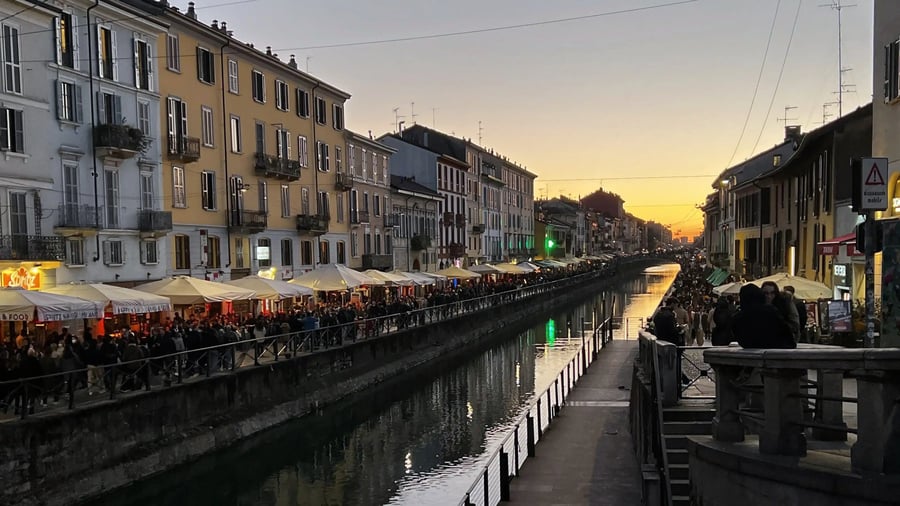
Navigli is Milan’s nightlife hub, centered around historic canals and buzzing aperitivo culture. Come here for atmosphere, dining, and evenings by the water rather than sightseeing. Best for younger travelers and “aperitivo” lovers.
Why we love it:
- Canal-side restaurants and bars
- Great nightlife scene
- Few daytime attractions and tourist crowds
Elegant and relaxed, Porta Venezia offers museums, gardens, and a calmer pace while remaining close to the city center. It’s a strong option for families and longer stays.
Why we love it:
- Safe and calm
- Museums, parks, and shopping
- Limited nightlife, higher prices
A hub for fashion and design, Zona Tortona feels sleek and modern, especially during Fashion Week. It’s best suited for luxury travelers and those drawn to Milan’s creative edge.
Why we love it:
- Fashion Week hub
- High-end hotels and designer vibe
- Very expensive and limited sights
Well-connected and contemporary, Porta Garibaldi is ideal for business travelers and day trips thanks to its major train links. It’s practical and efficient, rather than romantic.
Why it works:
- Close to major train stations
- Easy airport access
- Less charming and nois
These neighborhoods offer a slice of life, art, history, and culture. Whether you want to be by sights or explore during the night Milan has somewhere for you.
Top Things to Do in Milan
As Leonardo da Vinci wrote, “The noblest pleasure is the joy of understanding.” For first-time visitors, Milan reveals its soul when you resist the urge to rush. Stand in awe beneath the spires of the Duomo, witness the genius of The Last Supper, and explore the storied Sforza Castle—then balance the grandeur with simpler joys. Whether it’s drifting along the Navigli canals at golden hour or losing yourself in the bohemian backstreets of Brera, the magic is just as much about the espresso at a corner bar as it is the masterpieces on the walls.
1. Duomo di Milano
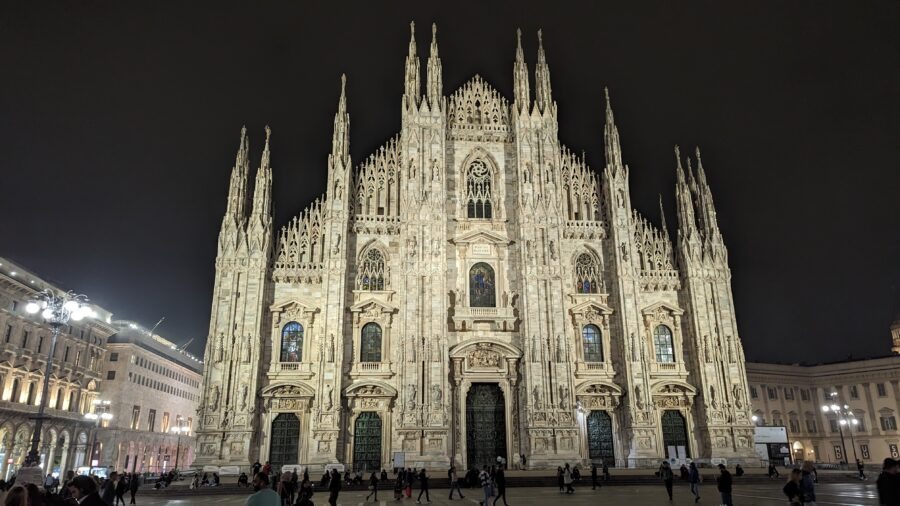
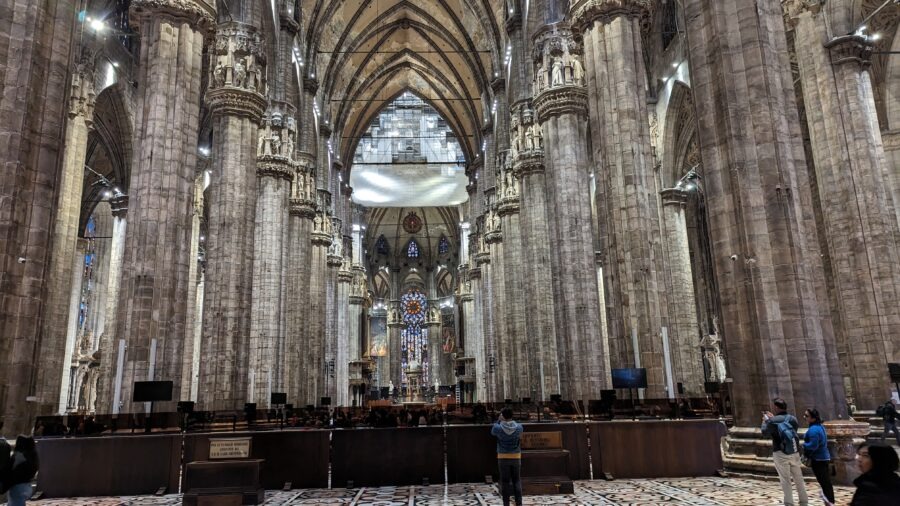
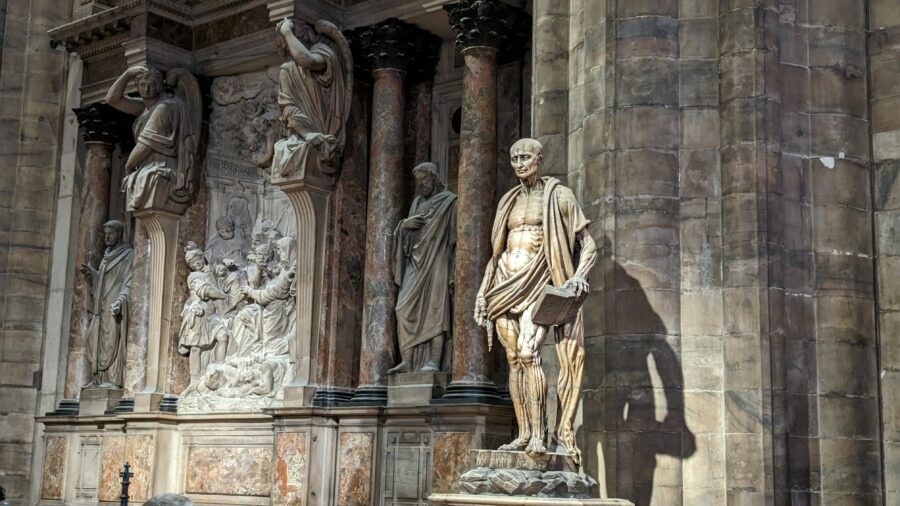
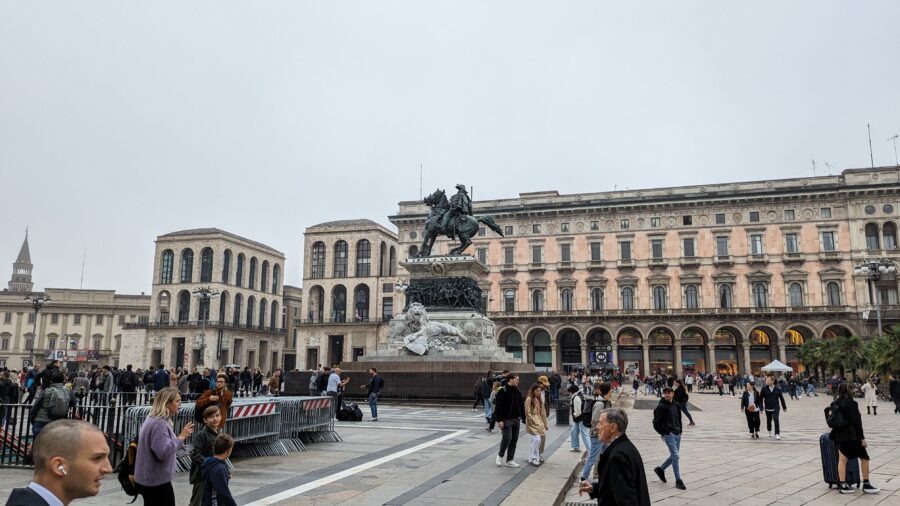
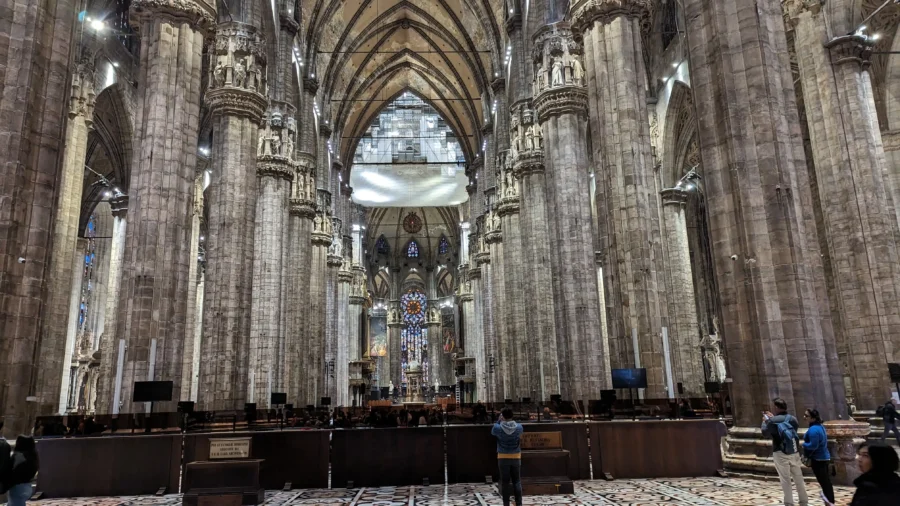
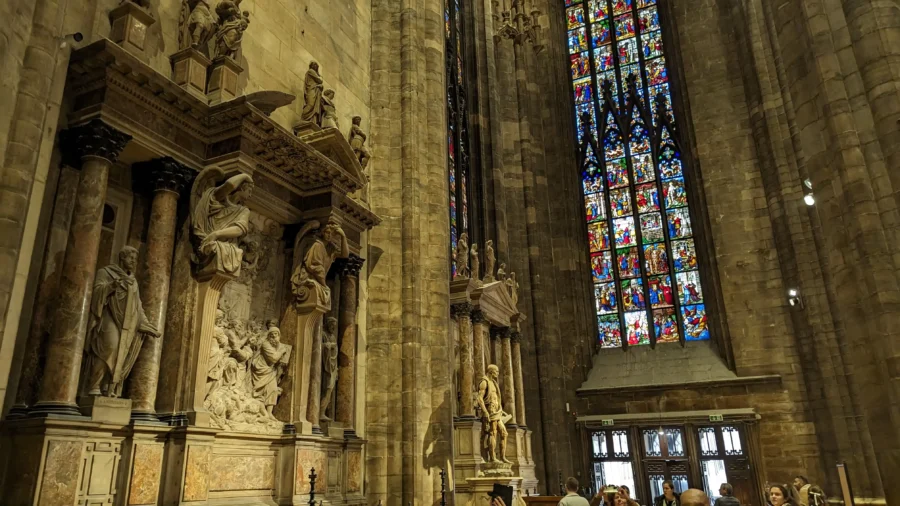
As the largest church in Italy and one of the largest Gothic cathedrals in the world, the Duomo di Milano is Milan’s crown jewel. It is the beacon of piazza Del Duomo with a lively atmosphere and surrounded by major landmarks. It is a marvel of architecture that boasts 3,400 statues inside and out, 135 spires, 55 stained glass windows, and nearly 100 gargoyles. It has more statues than any other building in the world and it took centuries to build and generations of artists to build it. It’s the perfect place to begin or end your city walk, meet with friends, or just pause and take in the energy of Milan. The Duomo is spectacular from outside and even better when you have skip the line access to see the stained-glass interiors and the skinless statue of Saint Bartholomew and other Milano landmarks.
- Pro Tip: Do not miss the rooftop terraces. Climbing to the top (or taking the elevator) offers a panoramic view of the city spires and, on clear days, the Alps.
- Pro Tip: The stunning Galleria Vittorio Emanuele II, considered one of the most beautiful shopping malls in the world, is right next to the cathedral.
Some Duomo Milano highlights
2. Sforza Castle & The Last Supper
Explore the Sforza Castle, which Napoleon once converted into barracks. It is a restored medieval fortress on the edge of Parco Sempione, originally built in the 14th century and later rebuilt by the Sforza family into one of Italy’s grandest residences. Today it houses several museums, but its courtyards and grounds are free to explore and worth visiting for the architecture alone. The castle is open daily from 7:00 am to 7:30 pm, while the museums require a ticket and are open Tuesday to Sunday from 10:00 am to 5:30 pm.
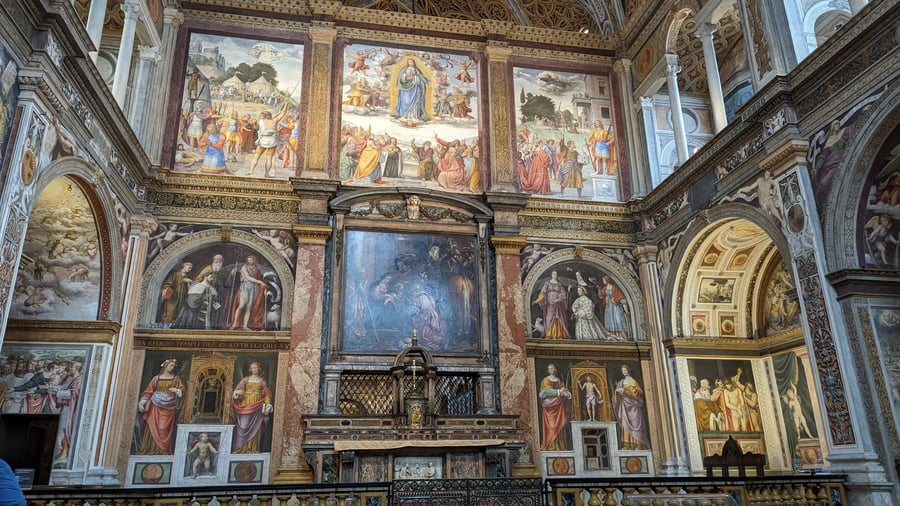
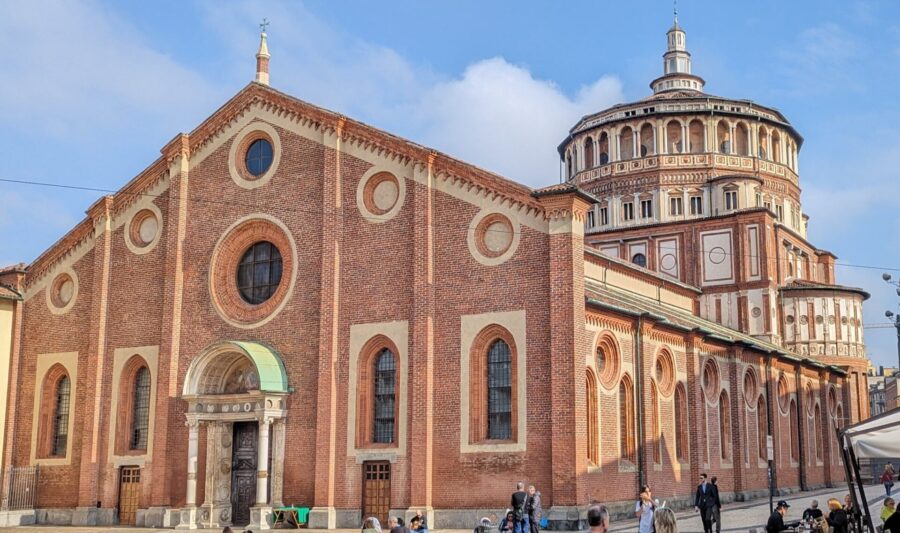
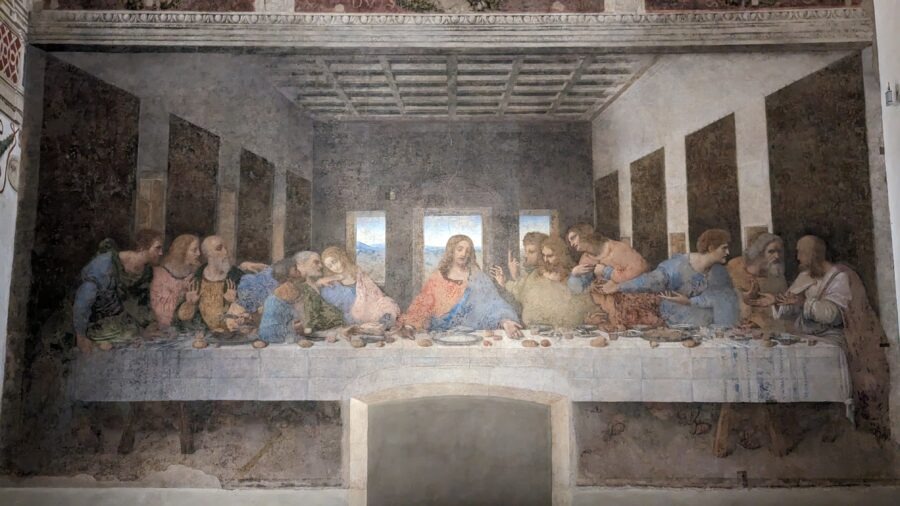
Nearby, at the Convent of Santa Maria delle Grazie, you can witness Leonardo da Vinci’s Leonardo da Vinci’s The Last Supper is one of Milan’s hardest tickets. Because da Vinci painted the mural using an experimental dry tempera and oil technique rather than a traditional wet fresco, the artwork is incredibly fragile and highly vulnerable to humidity, dust, and deterioration. Only 40 people are admitted every 15 minutes
Note: Tickets for the masterpiece must be booked months in advance unless you book a tour like this Best of Milan Experience Including Da Vinci’s The Last Supper and Milan Duomo.
Sforza Castle and Covent of Santa Maria delle Grazie images

3. La Scala Opera House
With over 240 years of history, Teatro alla Scala is legendary. Even if you don’t see a show, take a theater tour to see the opulent workshop and museum.
4. The Navigli Canals (at Aperitivo Hour)
Originally designed for navigation and irrigation purposes from the 12th to the 15th century, the Navigli also saw the contributions of Leonardo da Vinci, who worked on the canal system and its innovative dams. Of the five canals that once crossed the city centre, the Naviglio Grande and the Naviglio Pavese still flow and meet at the Darsena. Hotel VIU Milan
- The Ritual: From roughly 6 PM to 9 PM, bars throughout the Navigli district offer a buffet of delicious food with the purchase of a drink — ranging from simple snacks to elaborate spreads including pasta, pizza, and salads. Tourismattractions
- Pro Tip: During the day, you can visit art galleries, go shopping in artisan shops, and wander through the antique market held on the last Sunday of each month. In-Lombardia
A Fashionably Foodie Experience
Milanese cuisine is rich, signature, and distinct from the southern Italian pasta-heavy diet. The culinary scene of the city is just as fashionable as its recognition for design. For an authentic Milanese experience, make sure to try the local specialties that reflect the its rich culinary heritage.
Have a look at Condĕ Nast Traveller’s 12 best restaurants in Milan for some dining inspiration. If you have a sweet tooth, for dessert, I’d suggest that you indulge in panettone or tiramisu. Popular drinks include Negroni and Campari-based cocktails. Each restaurant and dish tells a unique story of Milan’s illustrious past and present. Dining in this city is a fashionably foodie experience.
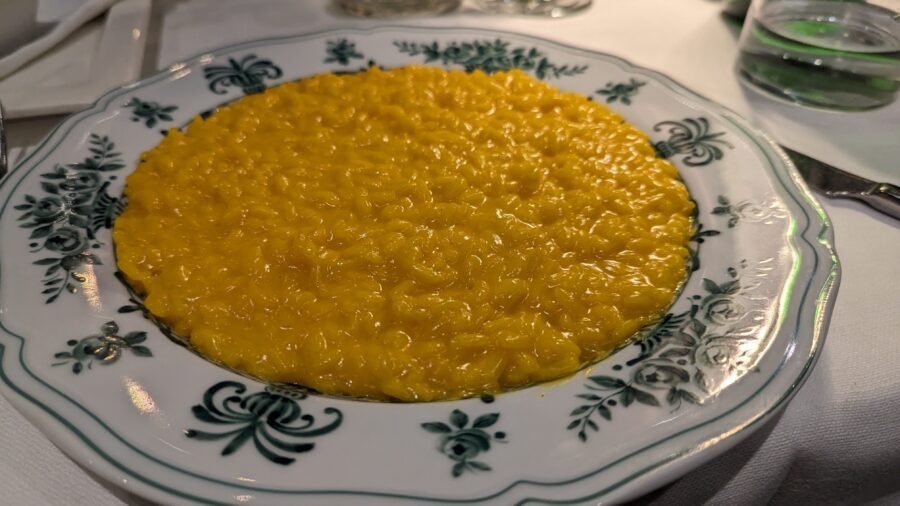
- The Icons: Seek out Risotto alla Milanese (saffron-infused), Ossobuco (braised veal), and the crispy Cotoletta alla Milanese.
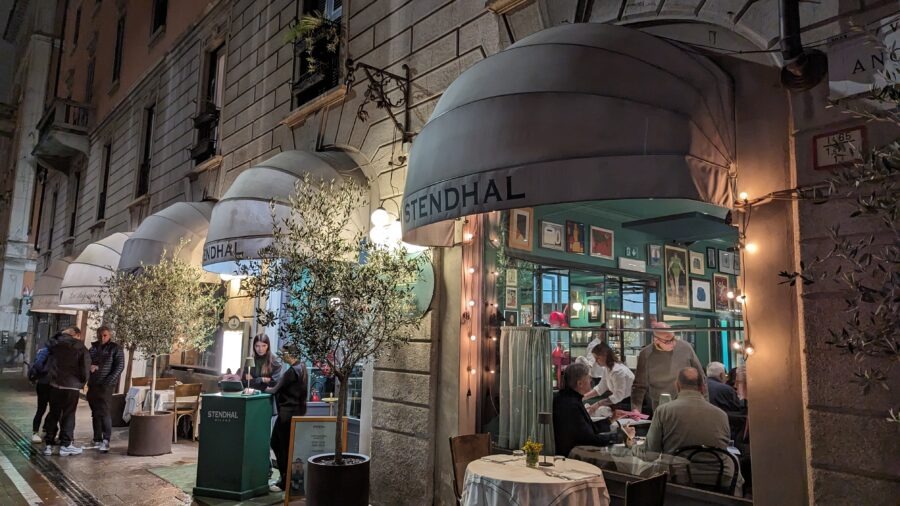
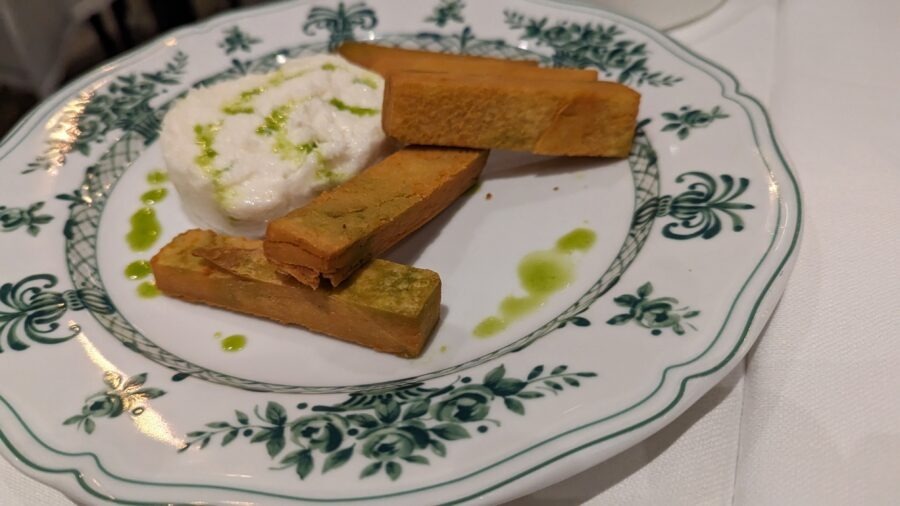
- Stendhal: Suggested by hotel concierges for a sophisticated, traditional meal. Their polenta sticks are a life-changing must-order.
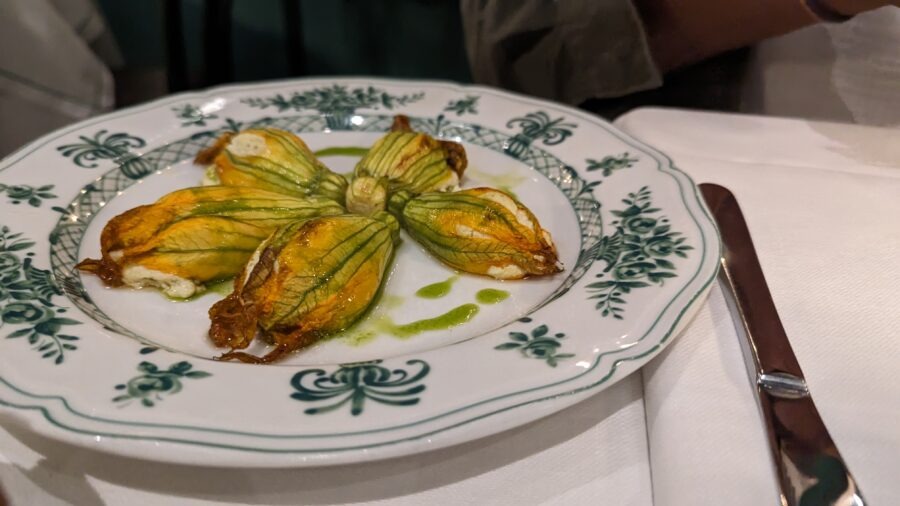
Stendhal dining delights
- Langosteria: Renowned for its Michelin Star exquisite, high-end seafood.
- Erba Brusca: A “rustic-chic” gem with ingredients sourced directly from their garden.
- Sweets: Indulge in Panettone (Milan’s signature cake) or a classic Tiramisu, paired with a Negroni or Campari-based cocktail.
Conclusion:
Milan leaves an impression quietly, revealing itself through neighborhoods, rituals, and moments that linger long after you’ve left. Beyond its famous landmarks, the city’s true character lives in unhurried café mornings, evening aperitivo, and streets shaped by creativity, craftsmanship, and style. Take your time, wander beyond the obvious, and let Milan unfold naturally—it’s a city that rewards those who slow down and pay attention.